
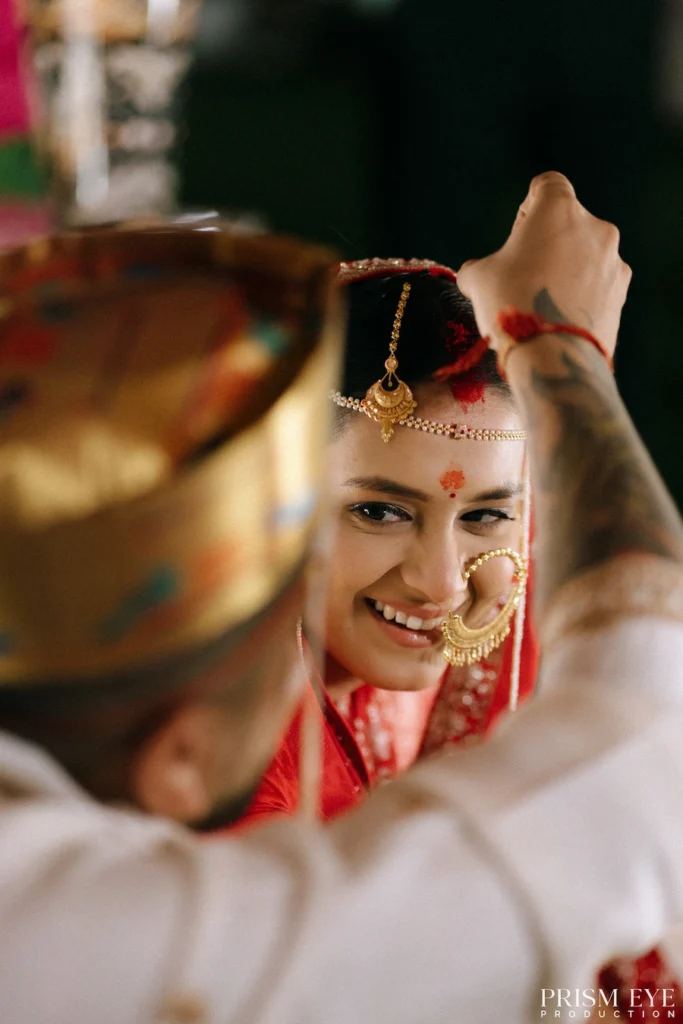
A wedding day is full of special moments that pass quickly. From getting ready in the morning to the ceremony and celebrations, each part tells the couple’s story. While decorations and outfits can be saved, the real emotions of the day are unique. That’s why having a photography shot list is so important.
A well-organized shot list helps couples share their photo wishes with the photographer and makes sure no important moments are missed. You don’t have to plan every single picture. It simply gives you a good starting point.
Getting ready for an Indian destination or a small wedding? Check out the complete list of photographs to take before your special day.
Table of Contents
Reasons to have a Wedding Photo Shot List
It’s not just photos of the bride and groom. Photographers have to record the venue details, family traditions, candid moments, celebration, and everything else that goes with it, often under time constraints.
A photography shot list informs everyone about the types of photos that the couple deem most important. It can also help avoid potential conflicts in the heat of the day, in particular when marriage ceremonies are occurring throughout the same day.
Here are a few reasons to prepare one:
- Well-organised: Key images can be scheduled with your wedding day plan.
- Family-level coordination: Patterns of essential relatives and group formations can be known in advance.
- Unique coverage: Significant details, traditions, and cultural practices are less likely to be overlooked.
- Timing: Traditional portraits are not hard to work around, and not overly intrusive to the festivities.
- Creative freedom: After ticking off the essential shots, the photographer is free to be as creative as they like.
It’s not about struggling to control all the shots. That’s because we want to pause on those moments that mean the most to you.
1. Pre-Wedding Details and Venue Photographs
Your venue is the perfect setting to capture some of the details which make the day special before you arrive and the celebrations begin. These images are displayed alongside the portraits and images of your ceremony and help to tell the story of your day.
Inform your photographer to try shooting:
- Perspective of the marriage arrangement.
- Flower arrangements, the decoration of the stage and seating.
- The mandap, altar, or the set-up of the ceremony.
- Wedding invitations and stationery.
- Rings, jewellery, footwear, and additional everyday use objects.
- The wedding dress and the groom’s outfit before wearing.
- Table setting, tablescaping, styling, and accessories.
- Special gifts, heirlooms, or sentimental objects.
In an outdoor destination wedding, do capture wide-angle shots of the venue’s natural surroundings, as they also add a stunning visual element to the album. In Uttarakhand, wide shots of the mountain range, forest, and villa venues help add to the images.
If you’ve been doing some serious research around specific decorative elements, let the photographer know!
2. Bridal Getting-Ready Photographs
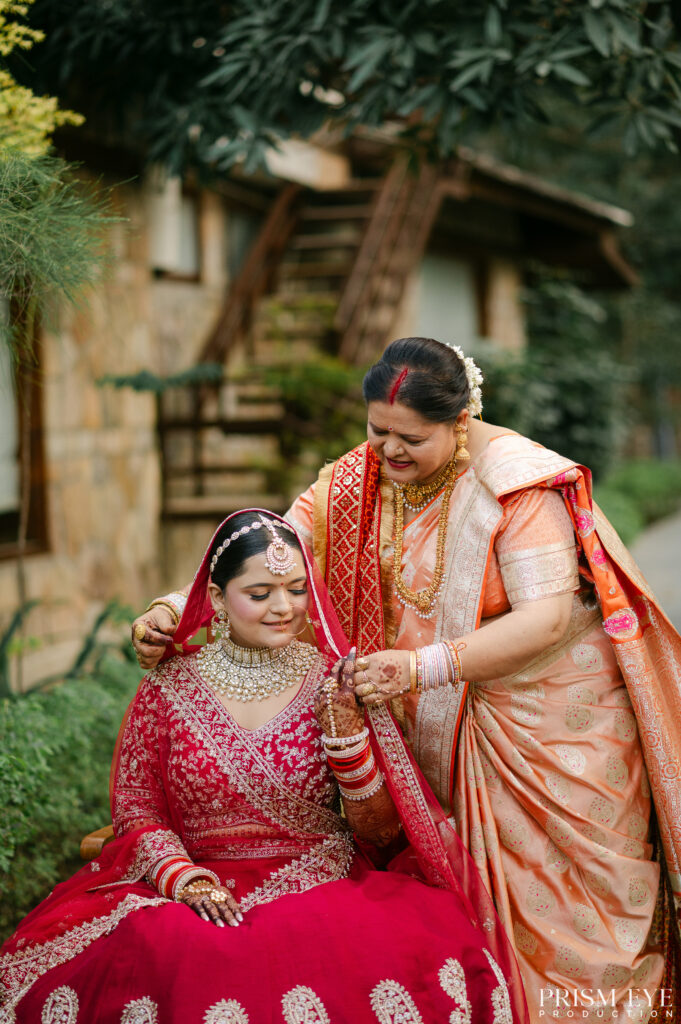
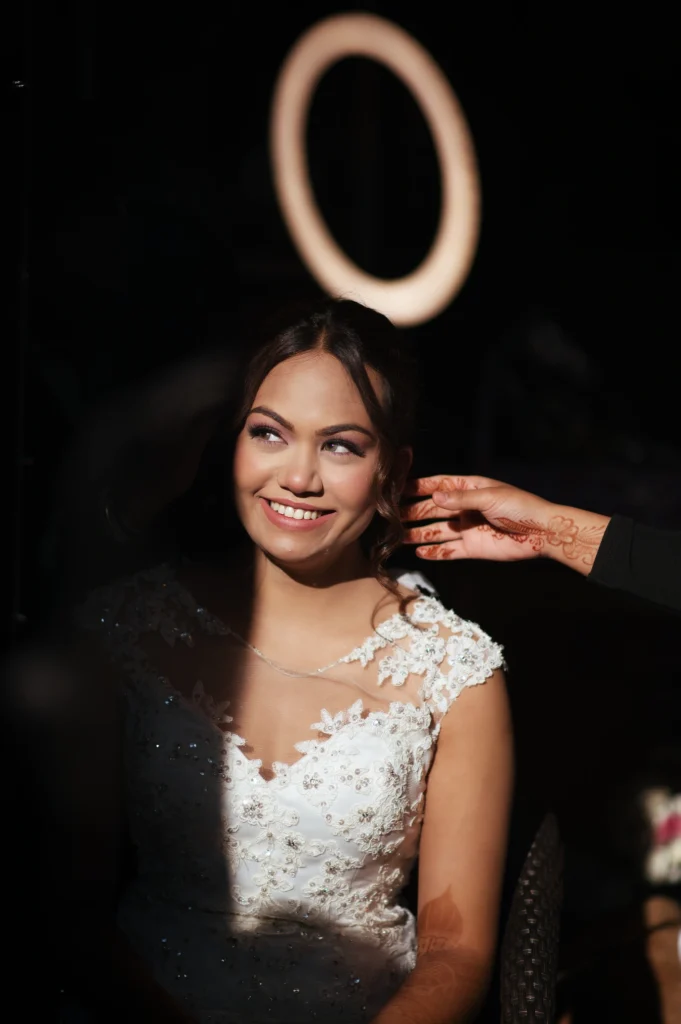


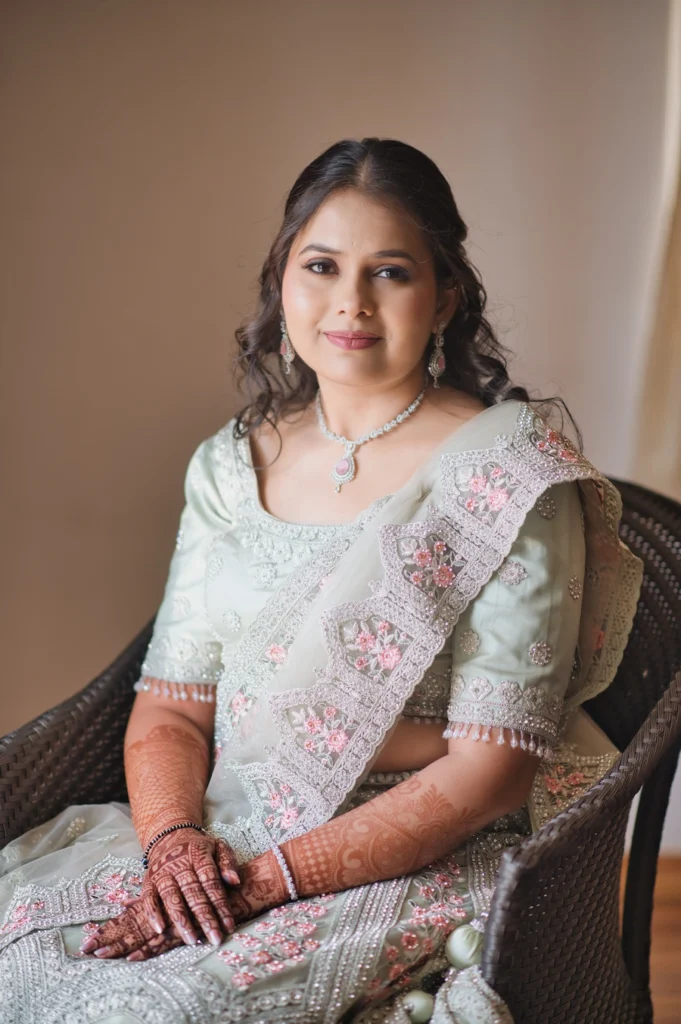
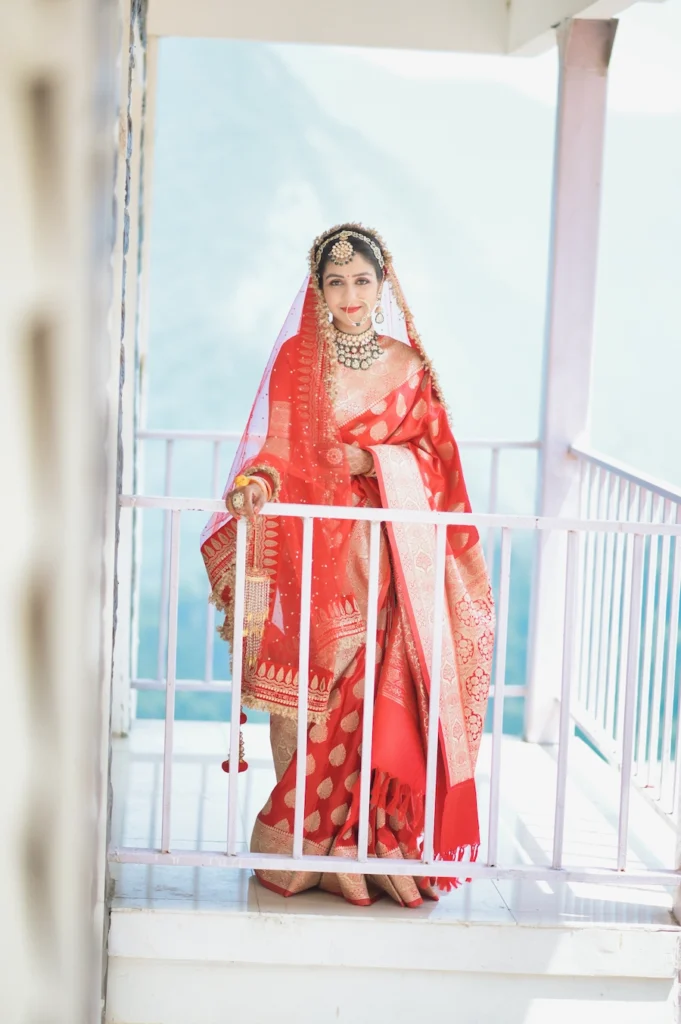
Getting ready is possibly the most intimate part of a marriage. It is the time leading up to the ceremony, the last minute, fitting of the dress and all of those who stand by the bride as they get ready.
Some ideas for your bridal photography shot list might be:
- Hair styling and makeup application.
- Details of jewellery, bangles, and wedding ensemble.
- The bride as she puts on her earrings, necklace, or shoes.
- The last placement of the veil or dupatta.
- Open, honest talks with relatives and friends.
- Portraits with bridesmaids or close relatives.
- A mirror portrait or a natural window-light shot.
- The bride’s finished look before leaving for the ceremony.
You may want to keep the preparation area well organised and set aside time for these shots. Use a window to get some nice photos in natural light, and spontaneous shots of you and your partner interacting can look more natural rather than overly posed.
3. Groom Getting-Ready Photographs
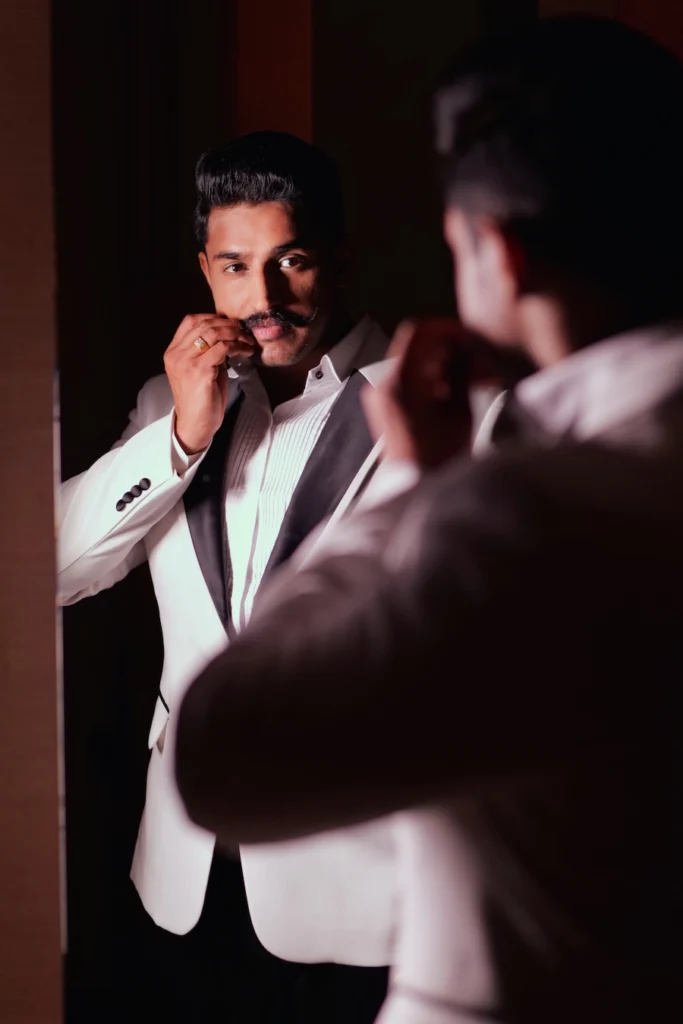

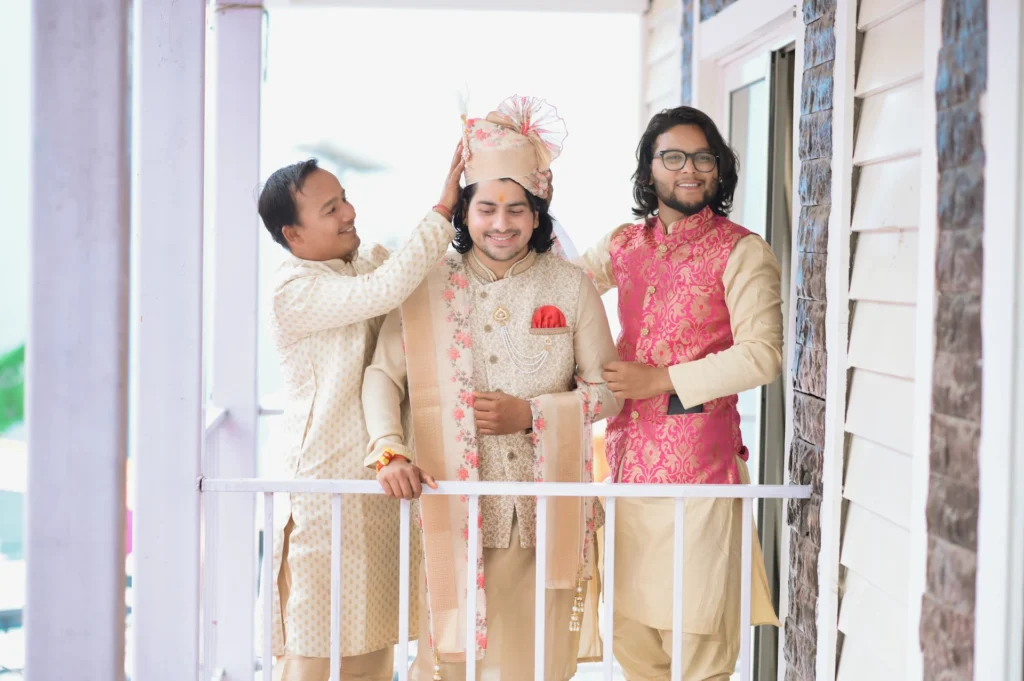

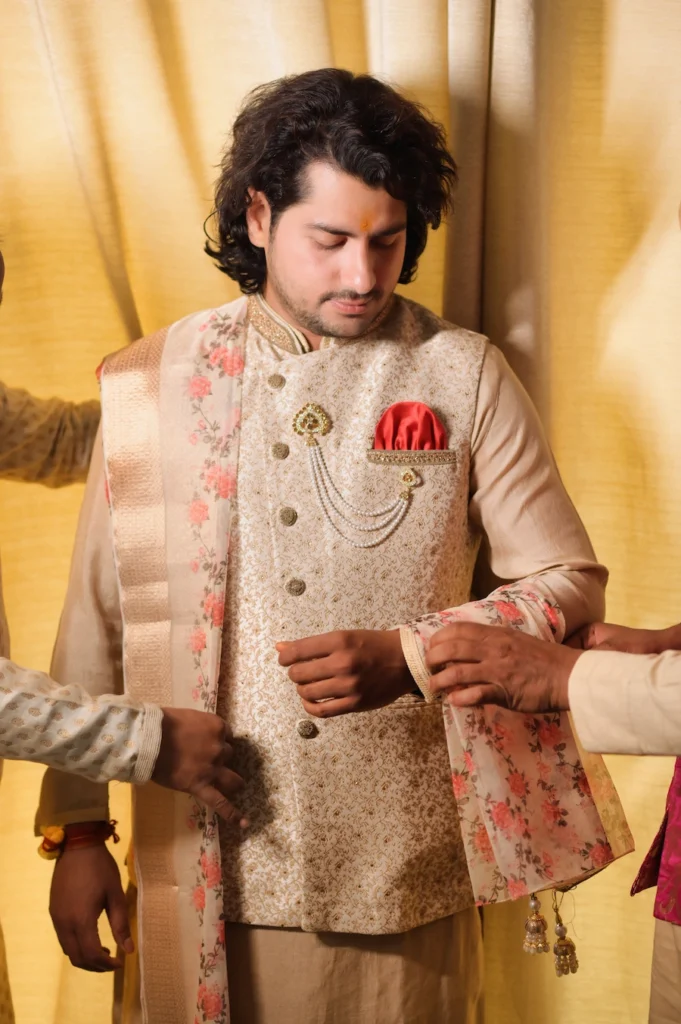

Just like the bride, the groom needs as much preparation as the bride. These photographs contribute towards a well-rounded album and show the build-up to the main event.
Consider including:
- Clothing for the groom, his footwear, his accessories and a timepiece.
- Candid moments while getting dressed.
- Adjusting the turban sehra tie or similar traditional clothing.
- Candid photographs of the groom when he gets ready for the ceremony.
- Some of the individual portraits of the final look.
- Fun moments with friends before the celebrations begin.
Send both schedules to the photography team if the couple is preparing at different venues. This enables them to plan their time correctly, so no essential bridal preparation details are missed.
4. Haldi, Mehendi, and Sangeet: Pre-Wedding Ceremony Photographs


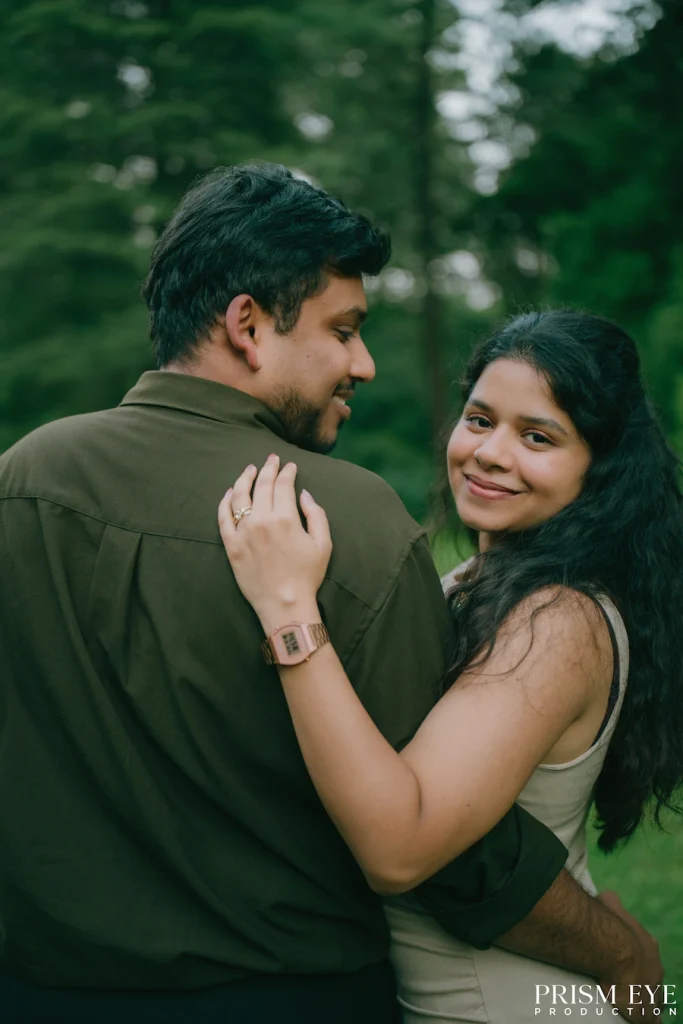
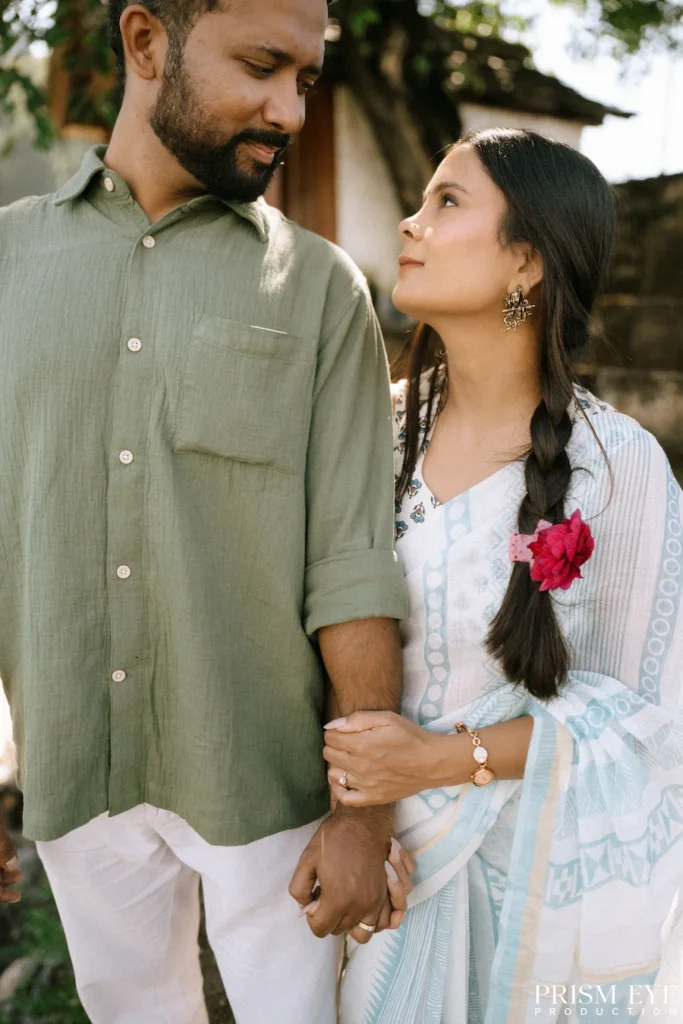
Indian weddings are usually filled with several pre-wedding functions, each with its own atmosphere, traditions, and emotions. From the playful moments of the Haldi ceremony to the intricate Mehendi designs and the lively Sangeet performances, these events each deserve a spot on your wedding photography shot list.
Haldi Ceremony: Colours, Traditions, and Family Moments
Family members gather to celebrate with lots of fun by smearing each other with turmeric paste, offering good wishes and sharing lots of laughs. The best photos of all are sometimes the candid ones.
Ask your photographer to capture:
- The Haldi set-up, floral installations, bowls of turmeric and accessories with traditional elements.
- The bride and groom at the ceremony (if at the ceremony).
- Family members applying Haldi (turmeric paste) and giving blessings.
- Honest replies, giggles, and plenty of fun with family members.
- Hands close-up spreading the paste and additional significant features.
- Photos of you with your parents, siblings, and friends.
- The couple’s portraits after the ceremony.
Vivid colours, authentic smiles and bonding across generations can help make your Haldi photos memorable. When captured outside, plan to take photos in good light and safeguard cameras and other gear from turmeric paste, water, and moisture.
Mehendi Ceremony: Intricate Designs and Candid Portraits
Mehendi (henna) event rounds are perfect for emphasising fine detail and the personal style of the designs and casual interaction with friends and family. Because the artist is working for an extended period of time, the photographer should take shots of the art being applied.
Important moments to include are:
- Detailed images of the Mehendi hand and foot art on the bride.
- The bride displaying her completed work.
- Portraits with bangles, rings, floral jewellery and outfit details.
- Honest discussions with friends, sisters, and relatives.
- Group photographs with the bridal party.
- Other Decorative details: traditional floral seating.
- Informal photos of the bride experiencing the celebration.
It’s mainly important to have great lighting when taking pictures of Mehendi because harsh shadows can obscure the finer lines. Light that is diffused and even reveals the design clearly without distorting the colours of the skin.
Sangeet Ceremony: Dance, Music, and Celebration
One of the most energetic pre-wedding events, the Sangeet is filled with music and dance performances and can also include family entertainment. Don’t try to sit for these pictures as you would for formal portraits; just expect the action to happen naturally.
Your Sangeet photography checklist can include:
- Description of the set lighting, decoration and production elements used before the beginning of the event.
- The couple’s entrance and individual portraits.
- Dance performances by relatives, friends, and the couple.
- Candid reactions from the audience.
- Emotional or humorous highlights of speeches and performances.
- Group photographs with friends and relatives.
- The couple celebrating together on the dance floor.
Are you sharing the order of the performance with your photographer? For evening functions, let them know about the stage lighting and space available so they can be ready for action and light changes.
If your wedding stretches over a few days, then create a separate shot list for Haldi, Mehndi, Sangeet and the wedding day. This will ensure good coverage and that nothing important is left out.
5. First Look and Couple Portraits
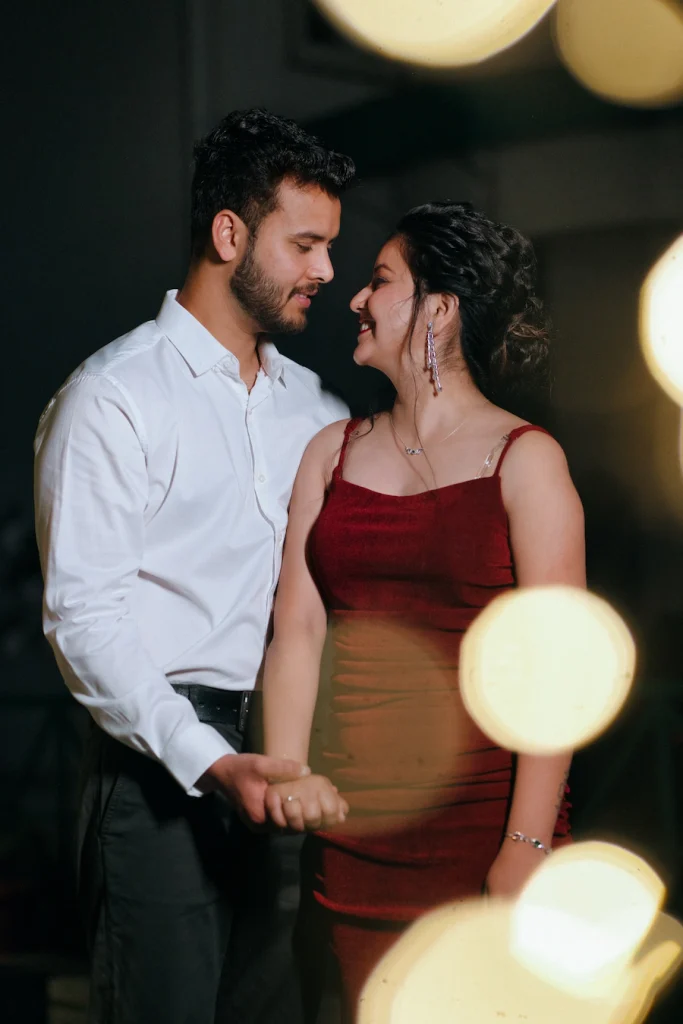
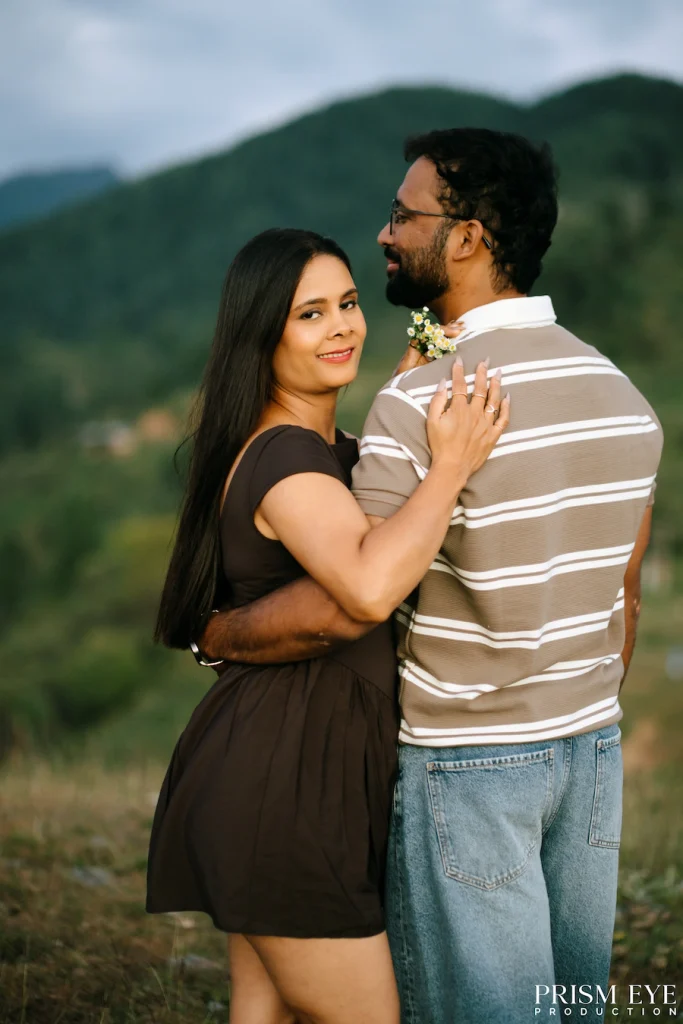
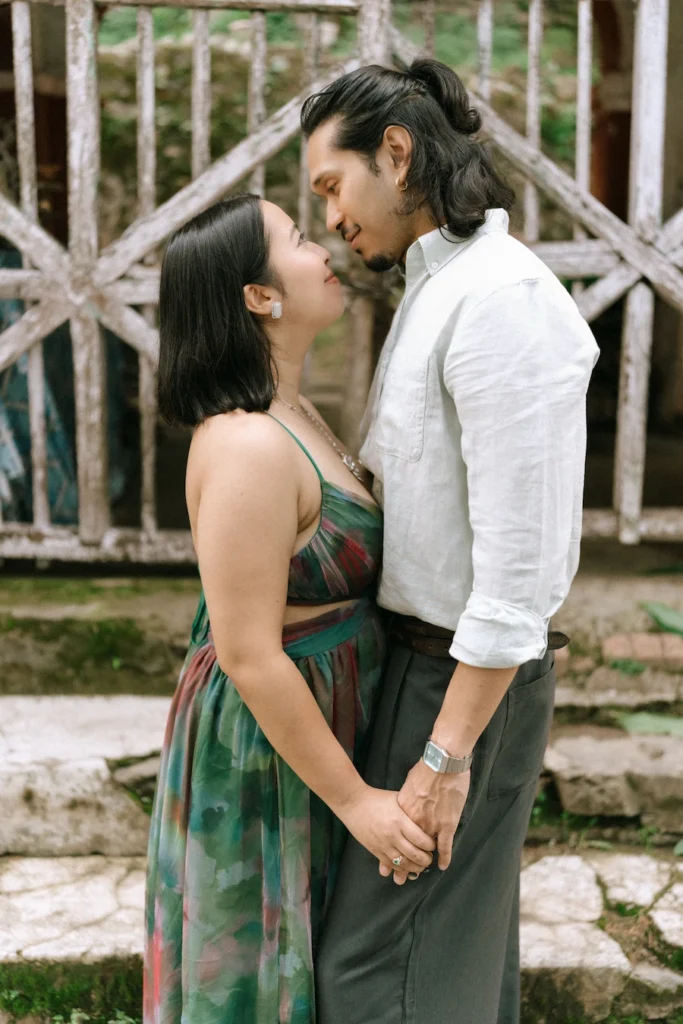
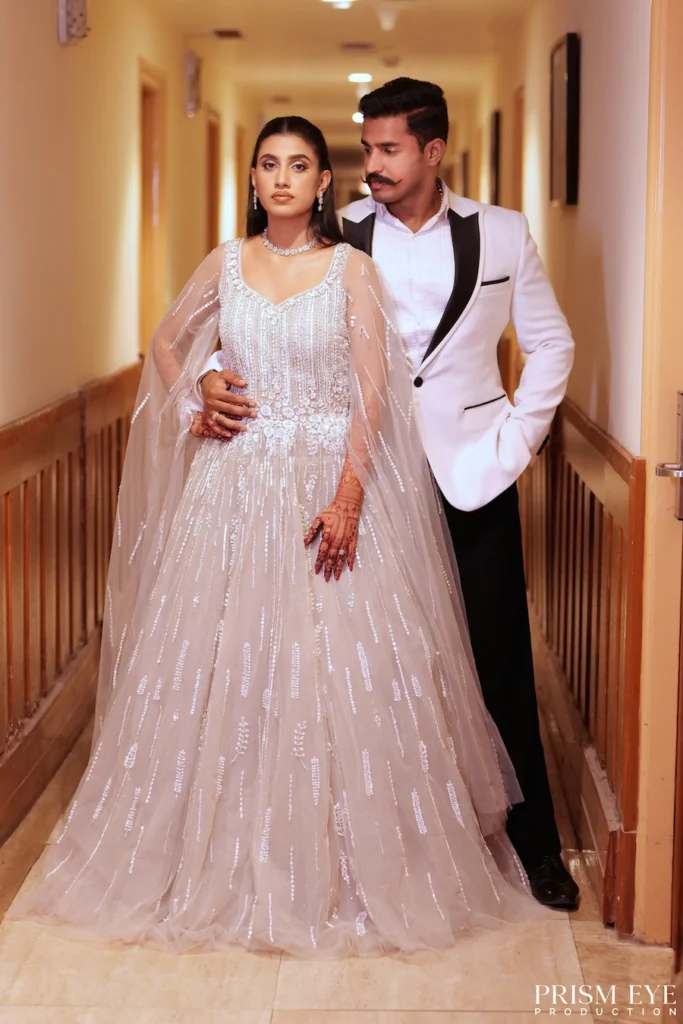
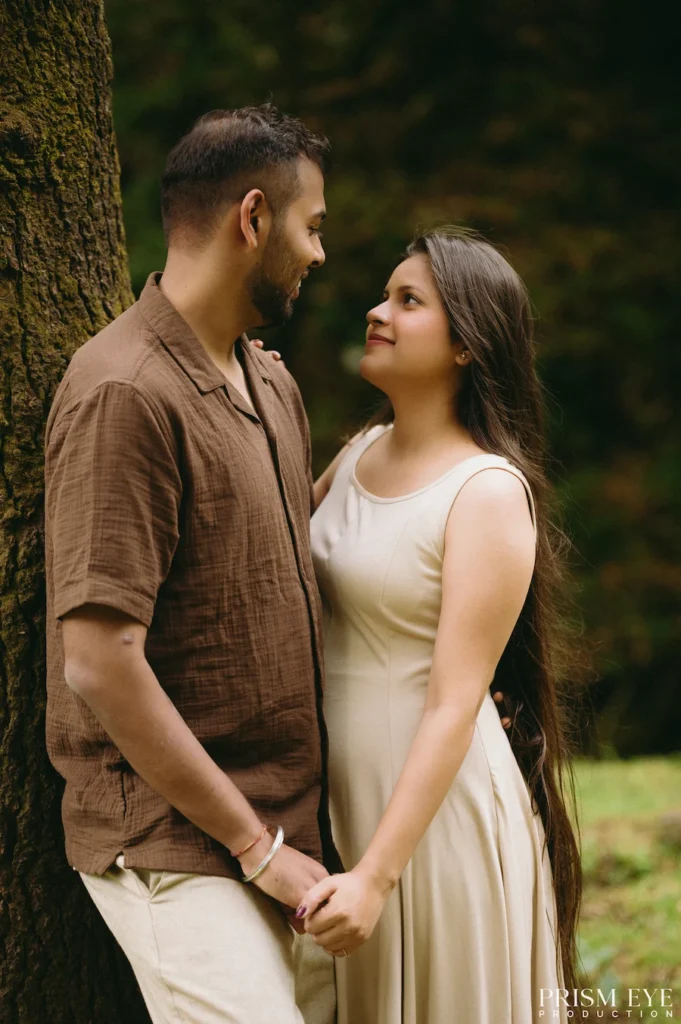
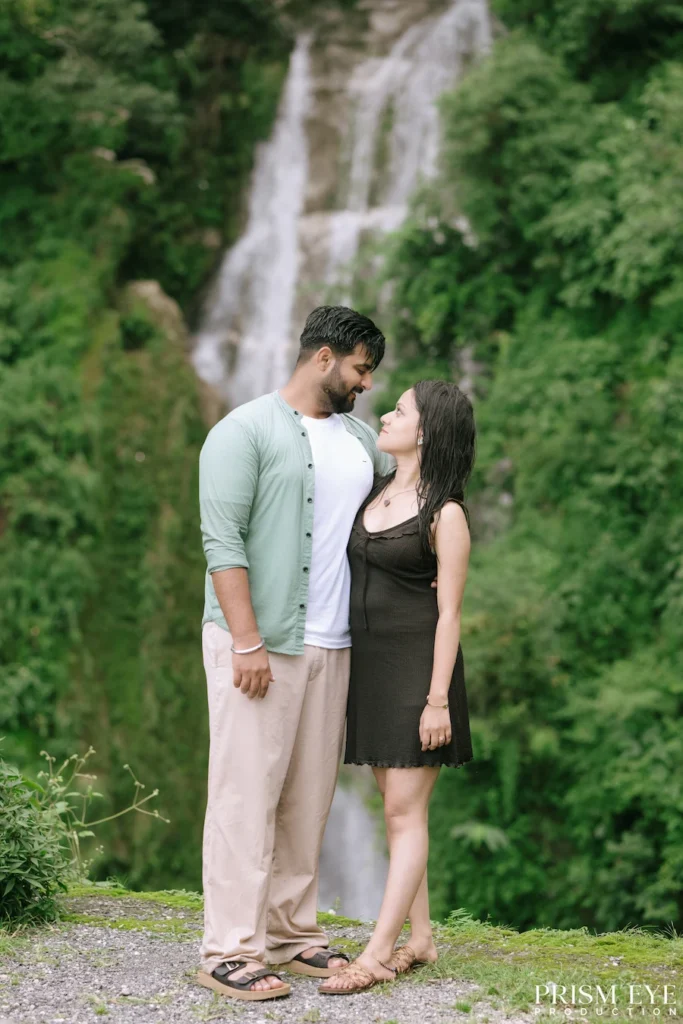
Include the couple’s photos on the list for both a classic wedding day, first meeting at the ceremony and a private first-look session.
Some moments to consider are:
- The initial glance or initial meeting (if that’s scheduled)
- Photos of the bride and groom separately.
- Full-length photographs showcasing the outfits.
- Close-up portraits and natural expressions.
- Stroll hand in hand or enjoying a quiet chat.
- Romantic photography with the wedding location in the background.
- Candid laughter and spontaneous interactions.
- Photographs with meaningful personal details.
Couple portraits don’t always have to be overly posed; a simple walk, a smile or a moment shared between each other may say more than several complicated poses.
Tell your photographer your preferred style in advance, whether you like candid, traditional, editorial, or cinematic images. This will give your photographer an idea of the kinds of images that will suit you.
6. Family Portraits and Group Photograph


Family photos are one of the most treasured types of shots in a wedding album. These images unite generations and preserve memories of family you may not often see all in one place.
But with a tight schedule, booking out the whole family might prove to be a challenge. Having a family photography checklist helps you to overcome this.
Include combinations such as:
- Bride with her parents
- Groom with his parents
- Bride with siblings
- Groom with siblings
- Bride and groom and both of their parents
- Couple with grandparents
- Couple with close relatives
- Couple with bridesmaids and groomsmen
- Couple with extended family members
- Full family group photographs
Make a list of the must-have combinations and give it to your photographer before the wedding day.
This short diversion can save your time and ensure important relatives are remembered without extra interruptions to your celebration.
7. Wedding Rituals and Traditional Ceremonies
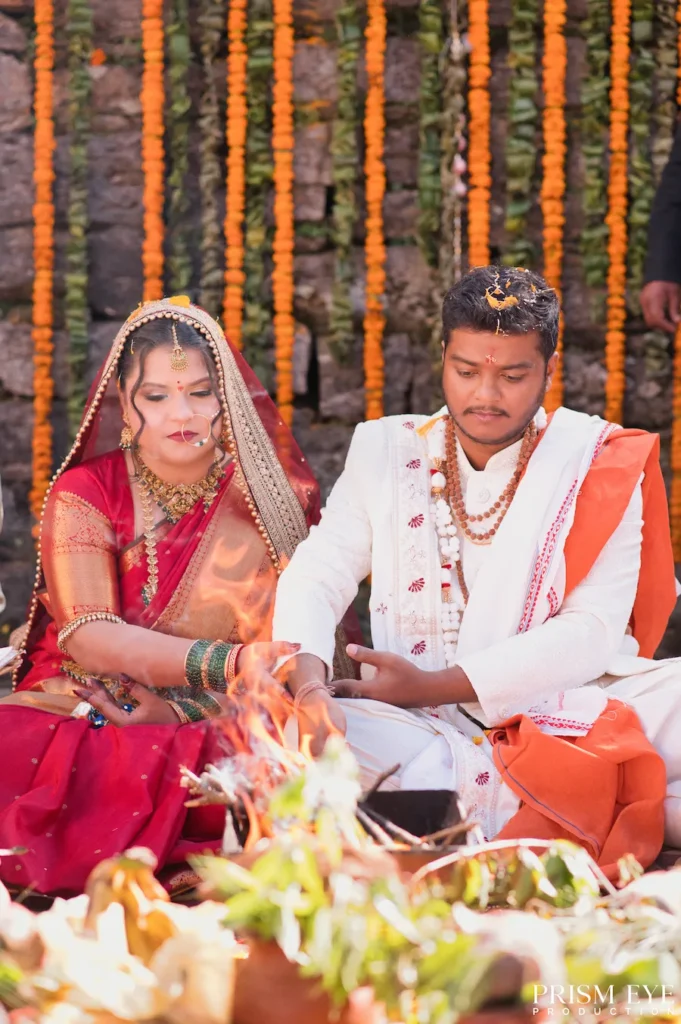
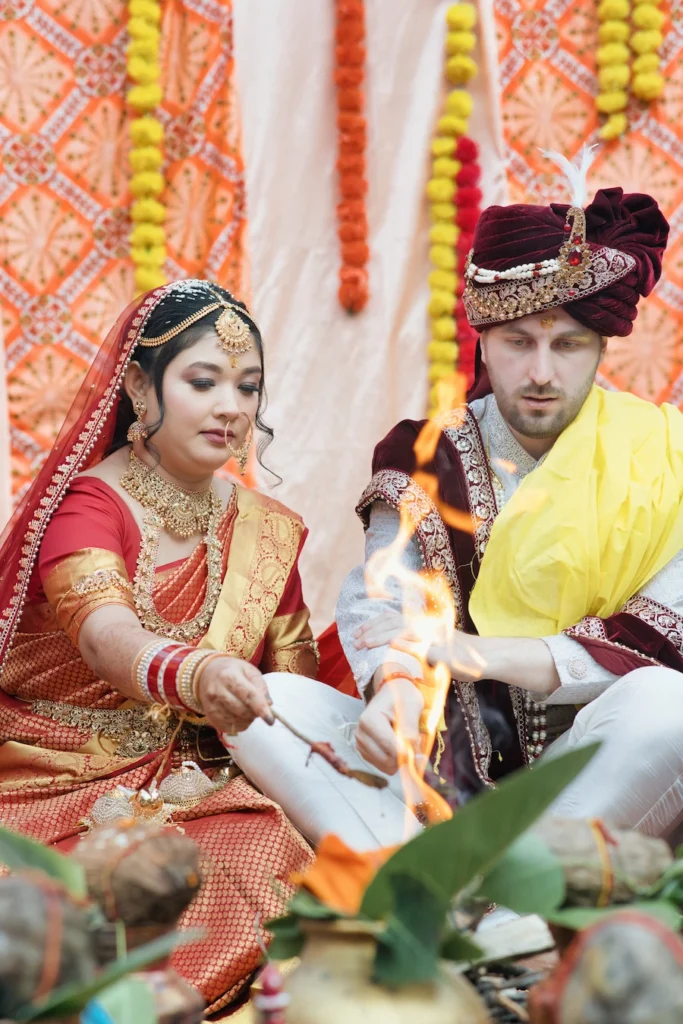


Wedding ceremonies are a significant part of the story. They may be religious ceremonies, symbolic exchanges, blessings, and family traditions, depending on your customs.
Be sure to discuss the order of the ceremony and any rules with your photographer before the ceremony.
Some highlights of an Indian wedding are:
- The bride’s entrance
- The groom’s arrival and welcome
- The exchange of garlands
- Key mandap or ceremony rituals
- If there is an exchange of rings
- The sacred fire and wedding vows (as necessary)
- Mangalsutra or sindoor-related rituals, if any
- Blessings from parents and elders
- Couple’s first moments after exchanging vows.
- Any region-specific or family-specific traditions
Your marriage may not have all the various traditions, so your shot list needs to be tailored to what your day really looked like.
Rehearse your most special of these rituals with your photographer ahead of time. They will be able to set up in the right place at the right time to capture the moment without interrupting the ceremony.
8. Candid Wedding Moments You Should Not Miss
Some of the best wedding photography is not planned at all; it is the candids, the genuine smiles, and moments when the people forget the camera.
Incorporating candid images in your photography can help to reveal authentic emotions that traditional poses cannot.
Be aware of moments like:
- Parents tearing up during the ceremony
- Friends laughing together
- Guests greeting the couple
- Children playing during the celebrations
- Happy reactions during speeches
- Family members sharing hugs
- The married duo with a big smile in the midst of formal photographs.
- Unexpected dance-floor moments
- Emotional farewells and blessings
If there are any specific relationships or tears that are mainly meaningful to you, make sure your photographer knows. This will help to guide the photographer, but also be aware of the natural moments that will happen.
9. Reception, Dancing, and Celebration Photographs


The reception creates a unique mood, with evening lighting, music and more relaxed banter. These photos tell the remaining parts of the story, showing how friends and family celebrated the party.
Here’s your reception photography checklist for you to include at your wedding:
- What the reception space looks like before guests enter
- The couple’s entrance
- Stage portraits and greetings
- Speeches and toasts
- Cake-cutting, if planned
- The first dance, if they are having it
- Family and friends dancing
- Group photographs with guests
- Honest conversations over meals and celebrations.
- Final couple portraits under the reception lighting.
If your reception features special performances or planned surprises, provide the schedule to your photographer. Since these events may occur only once, coordinating in advance is mainly helpful.
10. Wedding Departure and Farewell Moments
The wedding sendoff can be one of the most emotional parts of the ceremony. It signifies the transition from the celebration into the couple’s next chapter and can also include special family traditions.
Based on your traditions, look at photographs of:
- The couple walking away from the venue
- Final goodbyes with parents and siblings
- Family blessings and embraces
- Traditional departure rituals
- The couple leaving together
- A final portrait outside the venue
Allow your photographer time to prepare for these moments, mainly if you are capturing these moments at night or in a busy location. Proper family communication will enable your family to take the photos without ruining the moment.
11. Sample Wedding Photography Timeline
A well-planned timeline allows couples to enjoy their celebration without feeling rushed during photographs. The specific schedule will vary based on the ceremony, venue, traditions, and number of events, but what comes next offers a starting point for a single-day wedding.
| Approximate time | Photography priorities |
| 8:00-9:30 AM | Bridal and groom preparation, outfit details and individual portraits |
| 9:30-10:00 AM | Venue decorations, mandap details and final preparations |
| 10:00-11:00 AM | Guest arrivals, groom’s entrance and bride’s entrance, given the ceremony |
| 11:00 AM-1:00 PM | Main wedding rituals, varmala, and other ceremony-specific moments |
| 1:00-1:30 PM | Couple portraits and immediate family photographs, if the schedule permits |
| 1:30-2:30 PM | Guest photographs, greetings, and celebration coverage |
| Evening | Reception details, couple’s entrance, stage portraits, speeches, and dancing |
Just an example of a schedule; this is not the same for every Indian wedding – it can be longer or shorter. Sometimes the rituals are done late evening and even at night. Discuss with your wedding planner and photographer about the timeline of photography and plan for some buffer time for costume changes, travelling between locations and family photographs.
12. Lighting, Album Deliverables and Other Pro Tips
It’s not just the shot list that makes a great wedding photography experience; these few practical conversations with your wedding photographer before the wedding are a great way to help prevent confusion and establish expectations.
Discuss lighting and venue conditions
Discuss the available natural light if your ceremony is outdoors, and whether you’ll have enough time for bride-and-groom portraits before sunset. If your event is indoors, confirm whether the venue has stage lighting and dimming capability for the reception area, and whether flash photography is permitted. If you’re planning a destination wedding in the mountains of Uttarakhand, be prepared for weather and limited daylight.
Confirm album and video deliverables
Find out the details of your package before you book: how many edited photos roughly you will have, is there an album included, what size and how much work goes into the album, what length of film is included, how many hours are covered, and when can you expect to get the footage, will you get a gallery of your photos to choose what goes into the album, etc. Don’t assume all packages are the same.
Share your priority moments in advance
Send your photographer the final shot list, as well as the ceremony timeline and a quick note of key family members. List any ceremonies or traditions that they should be sure to capture and special requests like unique family groupings or shots of heirlooms to bring your team prepared while not making it seem too staged.
Leave room for spontaneous moments
No matter how detailed your schedule is, there will be plenty of moments of joy and emotion that you just couldn’t plan for. Give a little bit of space in between scheduled events to let the photographer photograph you in your natural element while you have a good time.
How to Create a Wedding Photography Shot List That Works
A wedding photography shot list should be about what’s relevant to you and your day, not a list of everything that could be shot!
Start by dividing your photography needs into three sections:
- Needed photos: Operational or critical like all the proper pictures (family shots and also ceremonies).
- Would really like: The little particulars, clothes, groups.
- Creativity: The chance for the photographer to play around with the sunshine, composition, and candids.
Send this list to your photographer at least a couple of weeks before your marriage, if possible. Give your photographer details about the ceremony time and location, special names of family members, and photography limitations. If you are doing a multi-day wedding, prepare a checklist for each.
You should also review the final deliverables such as the number of photographers, time span of coverage, number of final retouched images, number of albums required, wedding film packages, and so on, so that you are aware of what you are paying for.
And foremost, be realistic in your list. Overloaded shoot days with little or no downtime can make for a stressful day for everyone. Allow time for real conversations and have confidence that your photographer will be able to capture what matters the most.
Final Thoughts
A wedding photography shot list can be a great tool for helping you remember to capture the people, traditions, and feelings that make your marriage day special. From detail shots while you’re getting ready, family photos, the ceremony, to candid pictures and the last goodbye each group makes for a special memory in your album.
Our photography for every wedding has its own story, and it’s not just about capturing the way the ceremony or the party appears to us, but rather about the relationships, the smiles and the little things that make the photos special and can be remembered even after years.
Talk to your photographer before the marriage about what is most important to you, hash out a wedding timeline, and identify the shots you’d love to have. Planning a bit and leaving some room for the unexpected moments will make the day go by happily and assure you that your favourite moments are documented.
Frequently Asked Questions
1. What should be included in a wedding photography shot list?
A wedding photography shot list should contain these: venue information, bride and groom getting ready, couple photos, family shots, ceremony shots, candid moments, reception, and send-off photographs.
2. When should I share my wedding photography shot list?
It’s best to provide your list a few weeks ahead of the ceremony. This allows your photographer to get to know what’s important to you, plan how they will be working within the timeline and note any specific needs.
3. How many family photographs should we plan?
No limit. Make a list of your top family combinations that can be handled within your time schedule and according to your preferences.
4. Should I plan candid photographs in advance?
Share the references and scenes that matter most, but realistic photography is best when moments can unfold naturally.
5. Can we customise our wedding photography shot list?
Yes. Every wedding is unique. Your list can be customised to your cultural tradition, location, schedule, family makeup, and style of photography you desire.
6. How can we make sure important wedding moments are not missed?
Share the order of events, must-see moments and family photo list with your photography team before the big day. Give yourself time to capture all the important moments and identify a family “point person” to assist in gathering group shots.
7. Are Haldi, Mehendi, and Sangeet part of the wedding photography shot list?
Yes. Have an additional checklist for each of your functions if these are included in your celebrations. List out all the main rituals, interactions with family, decoration portraits and candid shots so that the photographer is aware of the timings for each function.
8. How much time should we plan to spend taking portraits and photographs with the family?
The duration will vary based on family requirements, location, and ceremony timing. Make sure you talk with your photographer beforehand and allow some flexibility when it comes to time, so you are not rushing through the important photos.