
Table of Contents
Why your wedding day needs a photography timeline


Wedding photography timeline planning is often the last thing couples think about, yet it shapes how relaxed and complete your photos turn out. A little planning here can save your most precious moments on the big day.
Every wedding runs late somewhere. The makeup takes an extra half hour, the baraat dances a little longer than planned, or half the family is missing just when it’s time for the group photo. None of this is a disaster, but without a plan, small delays quietly eat into the moments you care about most.
A wedding photography timeline is simply a shared plan that tells your photographer when each part of the day happens, from getting ready to the last dance. It helps us know where to be, which shots matter most to you, and when the light will be at its best.
After covering weddings across Dehradun, Mussoorie, Rishikesh and the rest of Uttarakhand, we’ve seen one thing again and again. The couples who plan their photo timeline get relaxed, unhurried pictures. The ones who don’t often lose their couple portraits to a ceremony that ran an hour late.
Here’s how to plan yours, step by step.
1. Write down every event first
Before you think about photo timings, list everything that will happen on the day. For a typical North Indian wedding, that might look like this:
- Bride and groom getting ready
- Venue and decor details
- Baraat and groom’s entry
- Varmala
- Couple portraits
- Family and group photos
- Pheras and main rituals
- Vidaai
- Reception entries, dances and speeches
Then ask yourselves one honest question: what matters most to us? Some couples want every detail of getting ready. Others would rather skip that and spend the time on couple portraits. Once we know your priorities, we can give the most time to the moments you’ll actually treasure.
2. Plan it together with your wedding planner

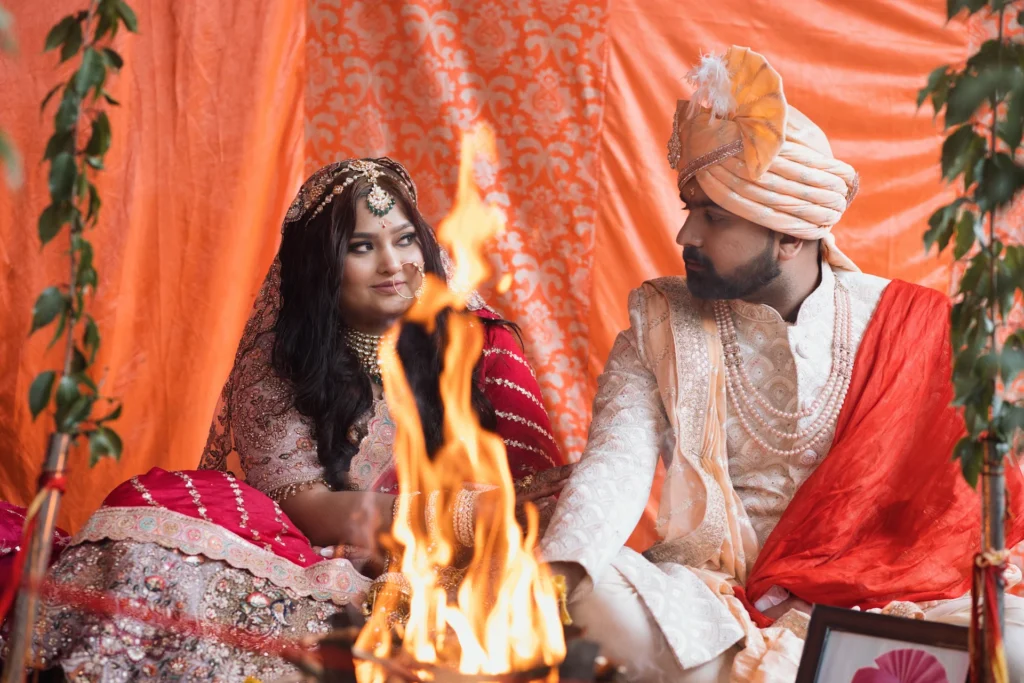
Your photo timeline shouldn’t live on its own. It has to fit around the muhurat, makeup, travel between venues and any rules the venue has about where and when we can shoot.
Sit down with your planner or the family member running the day and confirm a few basics. When does the ceremony start? How long will the main rituals take? Is there a separate getting-ready location?
If the getting-ready rooms are at a hotel and the wedding is at a farmhouse 25 minutes away, plan for 40. Parking, traffic and someone forgetting their phone always add time.
A small tip: once the timeline is final, share the same copy with your photographer, makeup artist, planner and one or two family members. When everyone works from one plan, far fewer things slip.
3. Give getting-ready photos enough time
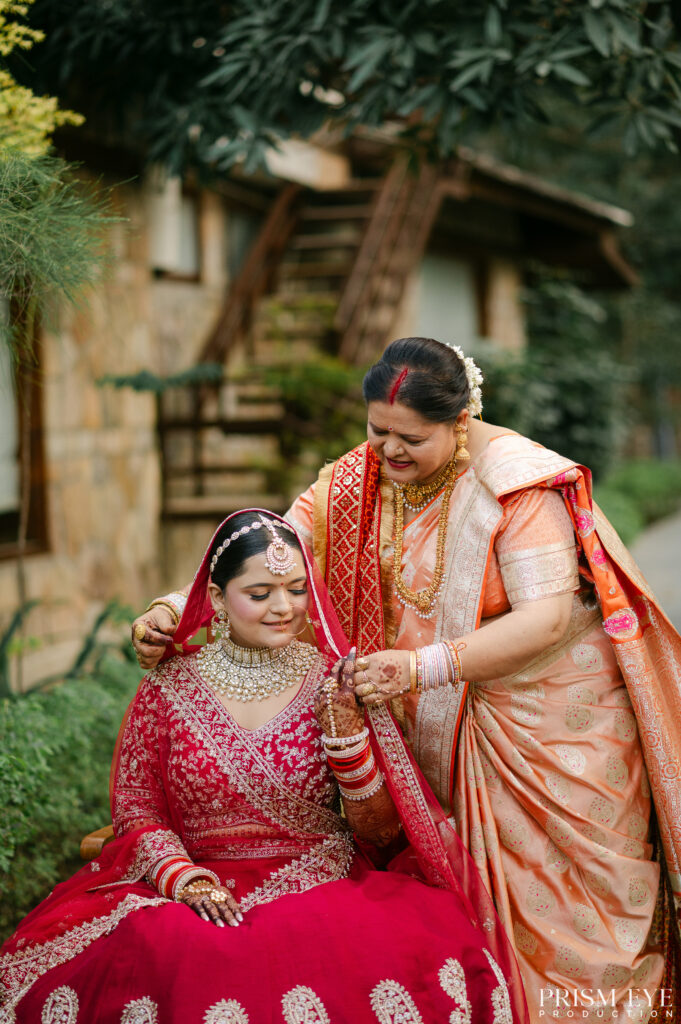
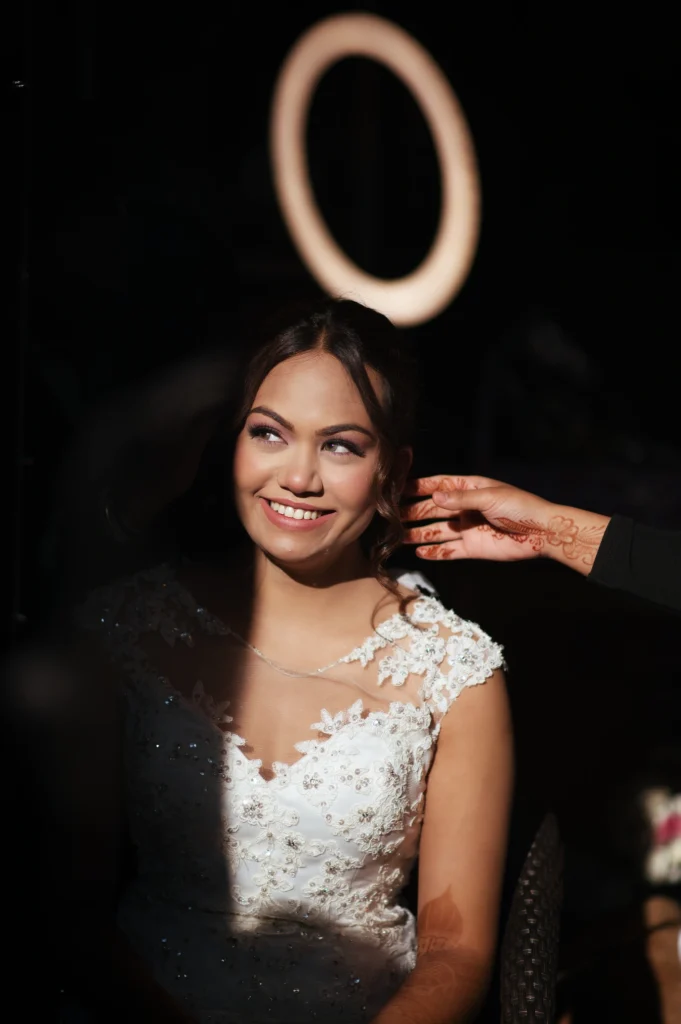

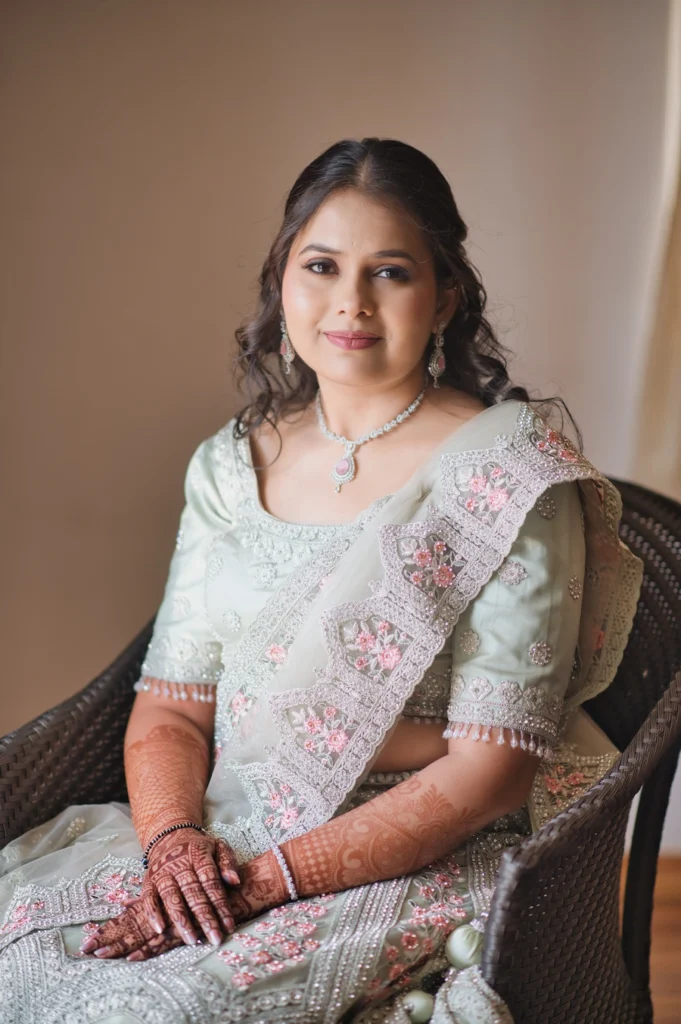

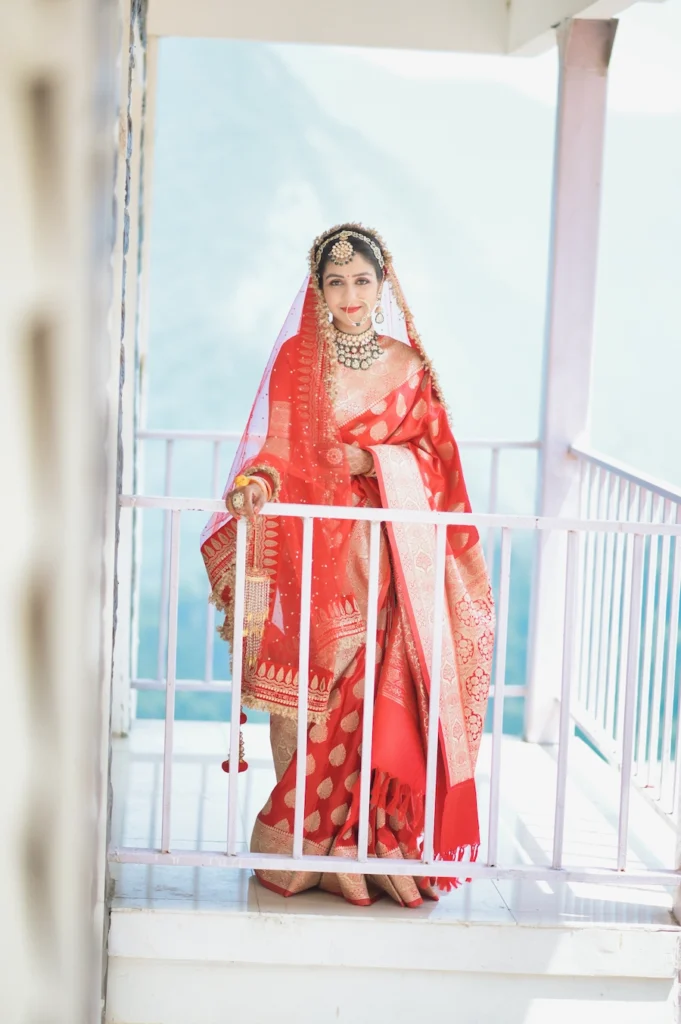
Getting-ready shots capture the nervous excitement before everything begins: the jewellery, the outfit, a mother fixing the dupatta, friends teasing the groom. They’re some of the most emotional photos of the day, but they’re hard to get if we arrive when you’re already walking out the door.
Tell your makeup artist and us ahead of time whether you want photos during makeup or only the final look. Keep your outfit, shoes, jewellery and invitation card together in one place, so detail shots take ten minutes instead of thirty.
If the bride and groom are getting ready in different places, check whether your package includes a team for both. Most importantly, photos should never cut into the time you need to get ready. Plan around 1.5 to 2 hours of coverage here.
4. Protect your couple portraits
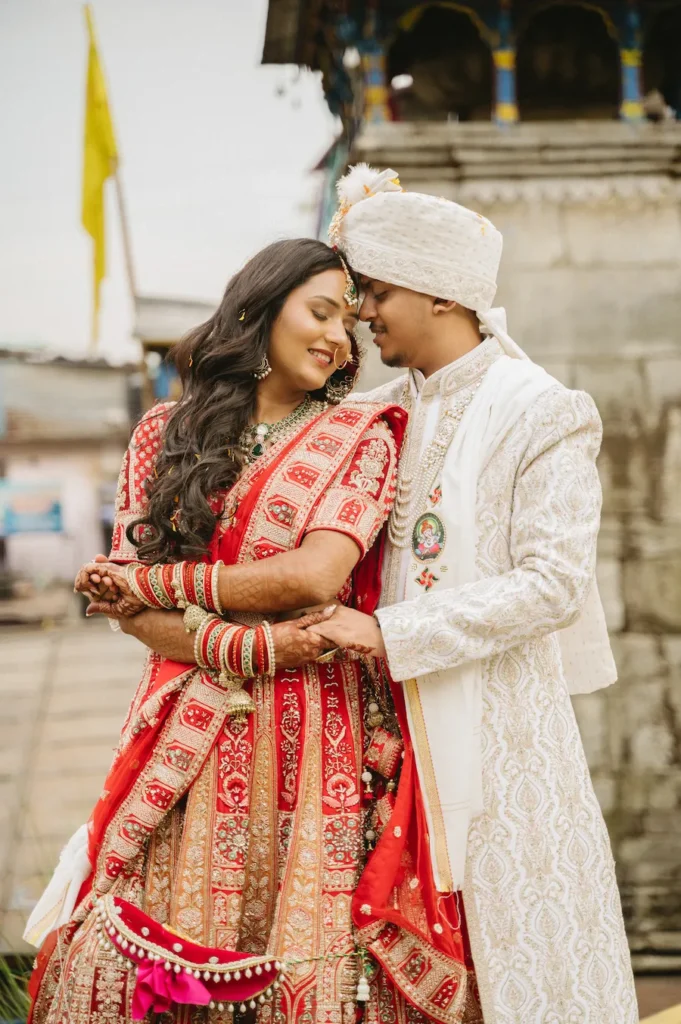
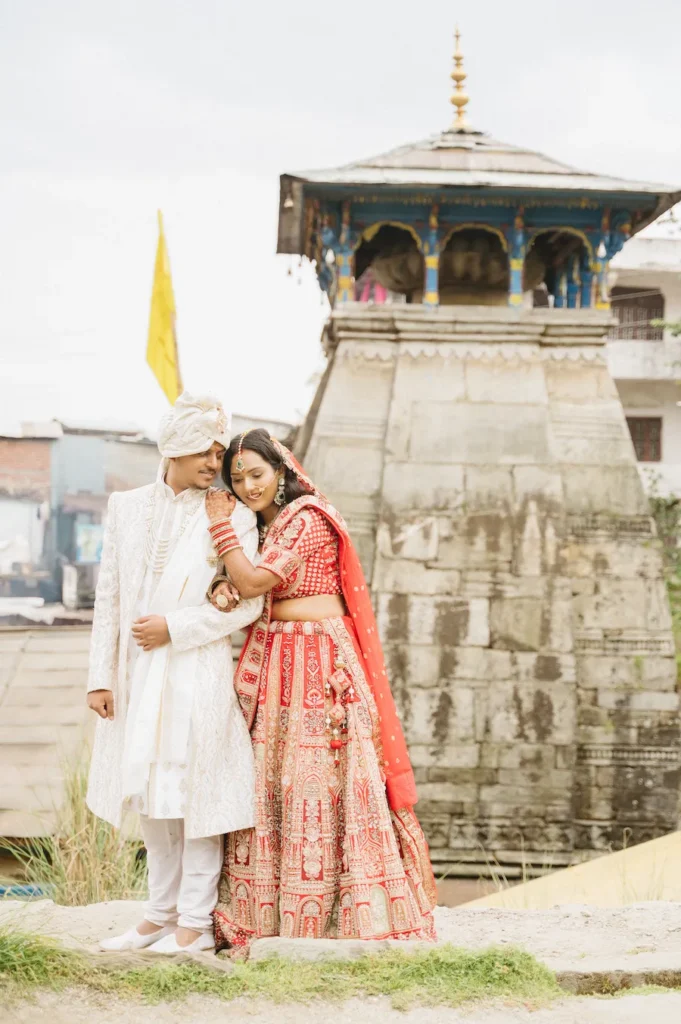
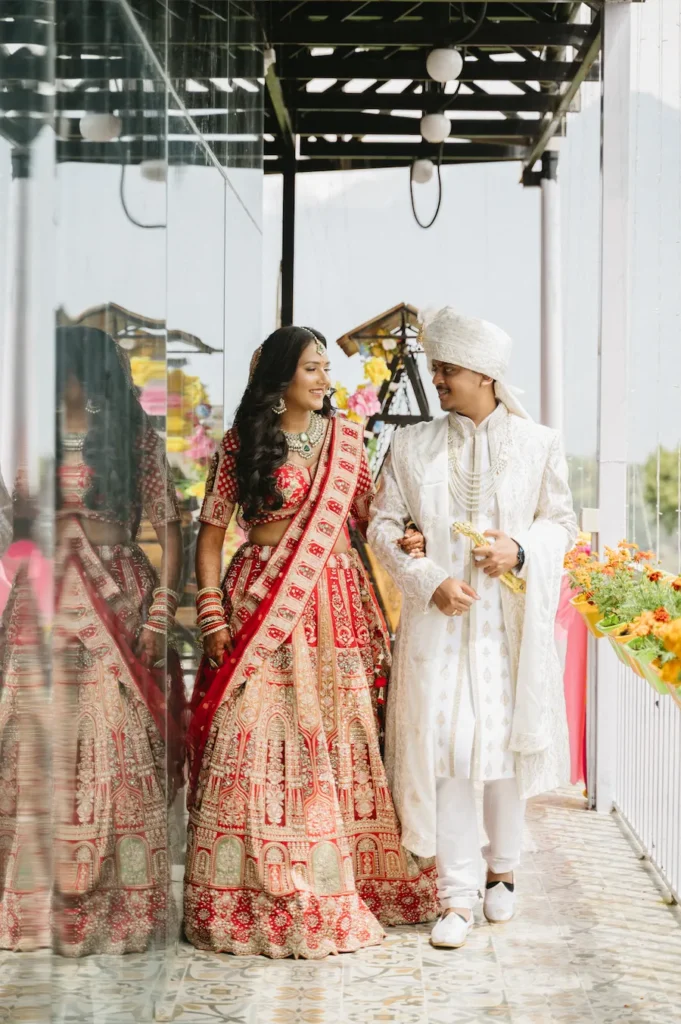


Couple portraits are usually the photos couples love most, and they’re also the first to get squeezed when things run late. So don’t leave them for “whenever we get a free moment.” That moment rarely comes.
Decide on a fixed slot with us in advance. Depending on your ceremony time, this might be before the varmala, between rituals, or during golden hour before the evening begins. Soft early-morning or late-afternoon light gives the most flattering results.
Keep it simple. 20 to 30 minutes at one or two good spots near the venue works far better than rushing between five locations. And ask us about a backup spot in case the weather changes, which happens often in the hills around Mussoorie and Chakrata.
5. Build in buffer time
Even the best-planned weddings slip. Makeup runs over, guests arrive late, the pandit takes longer than expected. That’s normal.
The fix is easy: don’t schedule events back to back. Leave 15 to 20 minutes of breathing room between major parts of the day, especially before the ceremony and before family photos.
The goal isn’t to control every minute. It’s to leave enough space that one delay doesn’t knock everything else off track.
6. Plan family photos before the wedding


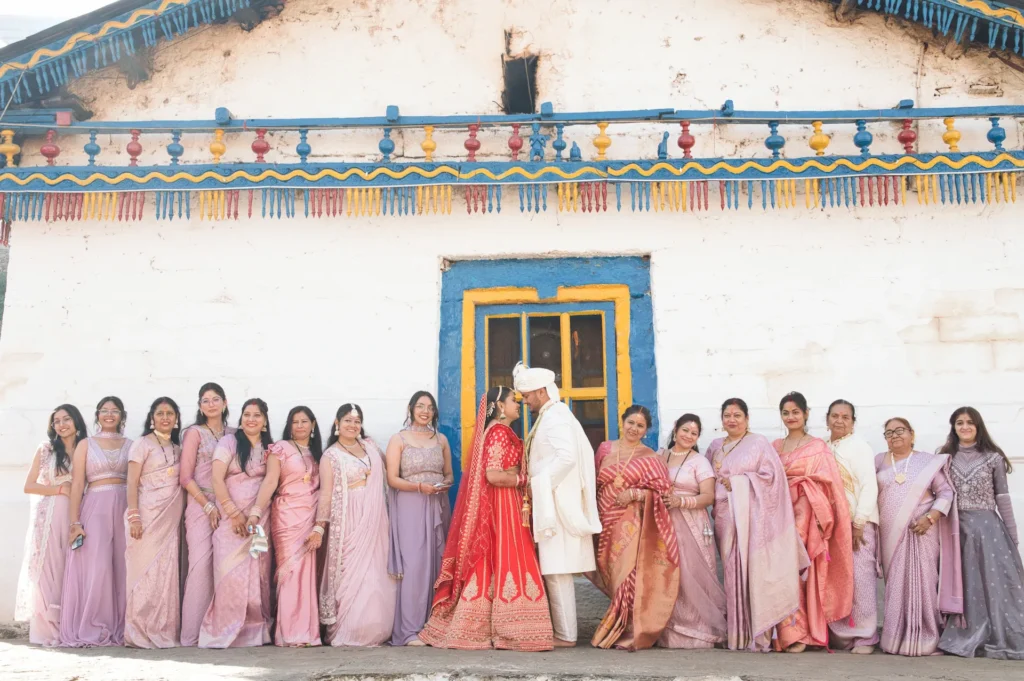
Family photos are precious, but without a plan they can easily take an hour. In a big Indian family, someone is always missing, and someone else always wants “just one more” with a different group.
Make a short list of must-have groups before the day: parents, siblings, grandparents, and close relatives and friends. Share it with us, and pick one cousin or friend who knows everyone to gather people when it’s their turn.
Photograph the elders and the most important groups first, in case some relatives leave early. Choose one well-lit spot close to the stage so no one has to walk far. With a clear list and a helper, family photos usually take 30 to 45 minutes.
7. Think about light, weather and the venue
Light shapes how your photos look more than almost anything else. Harsh midday sun creates strong shadows, so if you’re planning outdoor portraits, we’ll often suggest shade or wait for softer evening light.
If your wedding is outdoors, check the weather forecast and the sunset time for that season, and always have a plan B. In the hills, mist and rain can roll in within minutes. For evening and night functions, ask whether the venue has a well-lit corner we can use for portraits.
The earlier you share these details with us, the better we can plan around them.
8. Leave room for candid moments
Some of your best photos won’t be posed at all. Your mother quietly fixing your dupatta. Your friends going wild during the baraat. A private laugh between the two of you in the middle of the pheras.
These moments only happen when the day isn’t packed too tightly. If every minute is filled with posed shots, there’s no space for real life to happen in front of the camera.
So leave a few short gaps between big events, relax, and enjoy your own wedding. We’ll be there to catch what unfolds.
9. Tell us what matters most to you
A timeline works best when we fully understand what you’re hoping for. Before the wedding, let us know:
- Which moments and rituals are most important to you
- Your list of family photos
- Whether you prefer candid, posed, or a mix of both
- Any special family traditions we shouldn’t miss
Also confirm the practical details: how many hours are covered, how many photographers are on the team, what you’ll receive, and whether travel between venues is included. When we know all this in advance, we can adjust calmly if the ceremony starts late or the weather changes.
A sample timeline for an evening Indian wedding
Most weddings in North India happen in the evening, with pheras late at night. Here’s how a typical day might flow. Treat it as a starting point, since your muhurat, venue and traditions will shape the real one.
| Time | What we photograph |
|---|---|
| 2:00 – 4:00 PM | Bride and groom getting ready, outfit and jewellery details |
| 4:00 – 4:45 PM | Couple portraits in golden-hour light (if you’re doing a first look) |
| 4:45 – 5:30 PM | Venue, decor and stage details |
| 5:30 – 6:00 PM | Buffer time and final touch-ups |
| 6:30 – 8:00 PM | Baraat and groom’s arrival |
| 8:00 – 8:45 PM | Varmala and stage moments |
| 8:45 – 9:30 PM | Family and group photos |
| 9:30 – 10:30 PM | Dinner, guest moments and candids |
| 10:30 PM onwards | Pheras and main rituals |
| Early morning | Vidaai |
Got a morning wedding? Simply shift everything earlier, and plan couple portraits for soft morning light right after the ceremony.
Haldi, Mehendi and Sangeet
For a multi-day wedding, make a separate small timeline for each function. Note the date, venue, start time, and which moments you want covered. A daytime Haldi in natural light needs very different planning from a Sangeet at night, and a few lines for each will save a lot of confusion.
Final thoughts
A good wedding photography timeline doesn’t turn your wedding into a photoshoot. It does the opposite. It takes the pressure off, so you can be fully present while we quietly capture the day as it unfolds.
List your events, agree on your priorities, protect your couple portraits, and leave a little breathing room. The plan should support your day, not run it.
At Prism Eye Productions, every wedding we cover is different, and we plan each one around the couple, not a template. If you’re getting married in Dehradun, Mussoorie, Rishikesh or anywhere in Uttarakhand, we’d love to help you build a timeline that works. Call or WhatsApp us today to check your date and start planning.
Frequently asked questions
How much time should we set aside for wedding photography?
For a single-day Indian wedding, plan on 8 to 12 hours of coverage. Within that, allow around 1.5 to 2 hours for getting ready, 20 to 30 minutes for couple portraits, and 30 to 45 minutes for family photos. Bigger families and more rituals will need more.
What’s the best time for couple portraits?
The hour before sunset usually gives the softest, most flattering light. Early morning works beautifully too. If your ceremony timing doesn’t allow either, we’ll find a shaded or well-lit indoor spot.
How can we avoid delays on the wedding day?
Share one clear timeline with all your vendors, keep outfits and accessories ready in one place, choose someone to gather family for group photos, and leave 15 to 20 minutes of buffer between major events.
Should family photos have their own time slot?
Yes. A fixed slot, a written list of groups, and one helper to round people up can turn an hour of chaos into a calm 30 to 45 minutes.
What if the ceremony starts late?
Let us or your planner know as soon as possible. We’ll adjust the rest of the day, focus on your must-have shots first, and move or trim the rest rather than rushing everything.
Do we need a separate timeline for each function?
For a multi-day wedding, yes. A short timeline for Haldi, Mehendi, Sangeet, the wedding and the reception, each with its date, venue and start time, keeps everyone on the same page.