
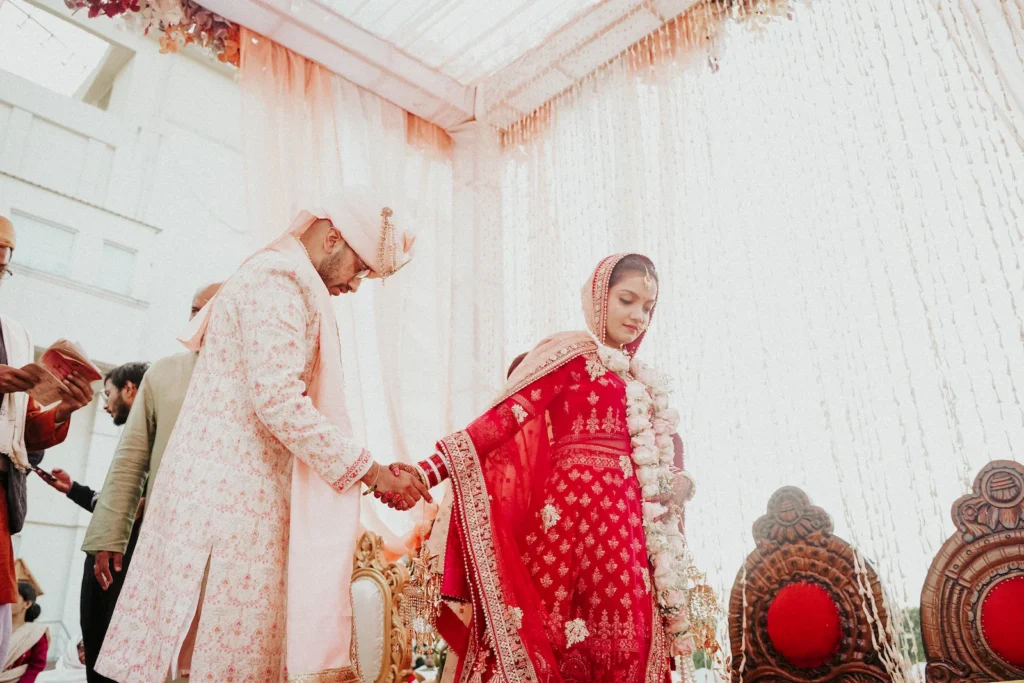
Indian weddings rarely fit into a single day. In many families, the wedding ceremony happens on one day and the reception follows the next evening, or even a week later in another city.
Having your wedding ceremony and reception on different days takes some pressure off. But it also means your photographer is covering two separate events, each with its own timing, venue, lighting and guest list. Without a plan, it is easy to miss a relative who only came for one day, or lose your couple portraits to a ritual that ran late.
The good news is that a two-day wedding is easy to photograph well once everyone is working from the same plan. Here is how to set it up, step by step.
Planning a single-day wedding instead? Read our guide on how to plan your wedding photography timeline.
Table of Contents
1. Wedding Ceremony and Reception on Different Days: Decide What Each Day Is For:
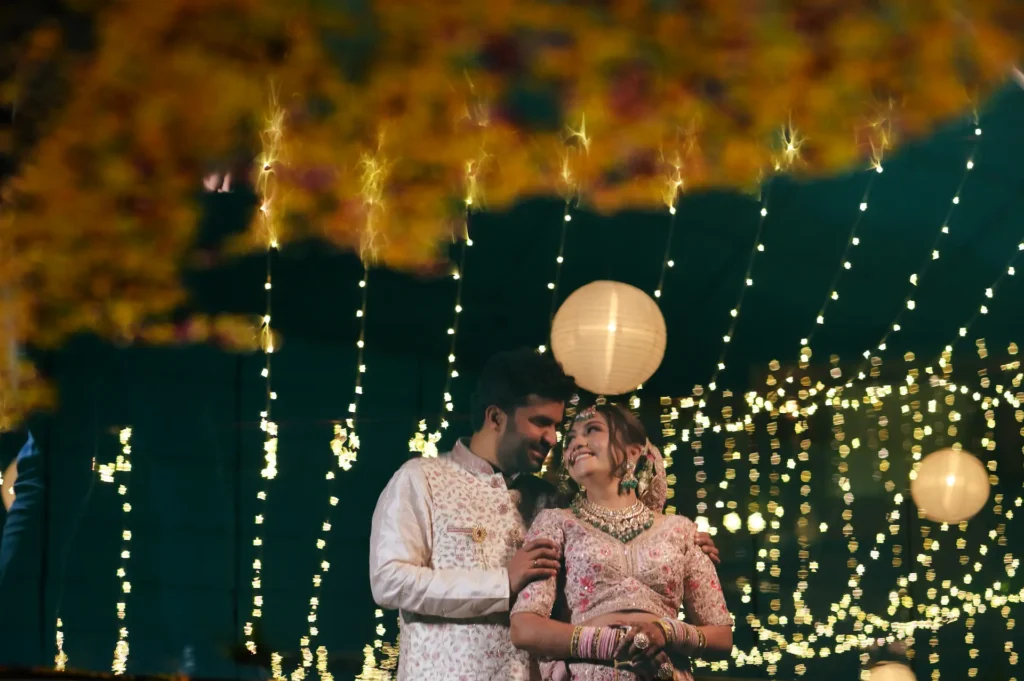

Start by giving each event a clear purpose. The wedding day usually carries the rituals, family traditions and the most emotional moments. The reception is lighter: guests, greetings, entries, performances and celebration.
When your photographer knows the purpose of each day, they can plan coverage around it instead of shooting both days the same way.
On the wedding day, focus on:
- Key rituals such as varmala, pheras and sindoor
- Blessings from parents and elders
- Emotional moments, including the vidaai
- Traditional family portraits
- Couple portraits, if the muhurat allows
On the reception day, focus on:
- The couple’s entry and stage moments
- Guests greeting the couple
- Speeches, performances and dances
- Decor, lighting and the venue atmosphere
- Relaxed group photos with friends and extended family
Photographer’s tip: Write a short must-have shot list for each day, not one combined list. Share both with your photographer at least a week before the wedding.
2. Build a separate timeline for each day

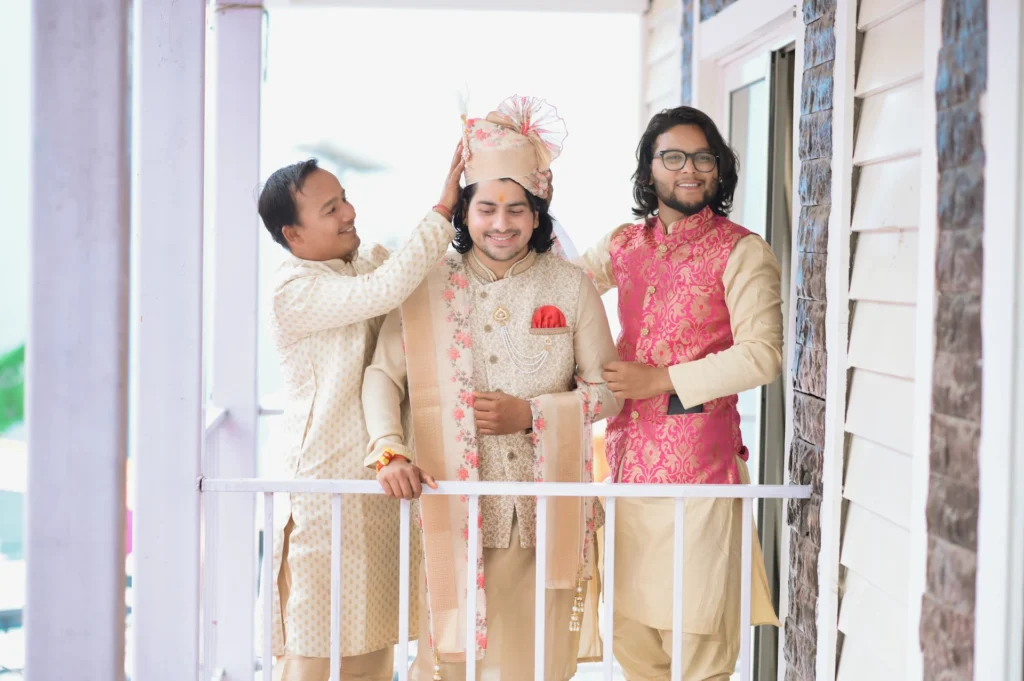
Each day needs its own timeline, because the start time, venue, light and travel will be different. Begin with the fixed points, such as the muhurat and the reception start time, then plan photography around them with your photographer and planner.
Here is a sample for an evening wedding followed by a reception the next day:
| Time | Wedding day | Reception day |
|---|---|---|
| 2:00 – 4:00 PM | Bride and groom getting ready, outfit and jewellery details | Rest |
| 4:00 – 5:00 PM | Couple or individual portraits in daylight | Bride and groom getting ready for the reception look |
| 5:00 – 6:00 PM | Venue and mandap decor, buffer time | Couple portraits before guests arrive |
| 6:00 – 7:00 PM | Family members getting ready, candids | Venue and stage decor |
| 7:00 – 8:30 PM | Baraat and groom’s arrival | Couple’s entry |
| 8:30 – 9:30 PM | Varmala and stage moments | Guest greetings on stage |
| 9:30 – 10:30 PM | Family photos, dinner candids | Family and friends group photos |
| 10:30 PM onwards | Pheras and main rituals | Speeches, performances, dance floor |
| Early morning | Vidaai | — |
Treat this as a starting point. Your muhurat, venue and family traditions will shape the real timings.
Photographer’s tip: Leave 15 to 20 minutes of buffer before every major moment on both days. Indian rituals often run longer than planned, and gathering guests for photos always takes time.
3. Tell your photographer before you book
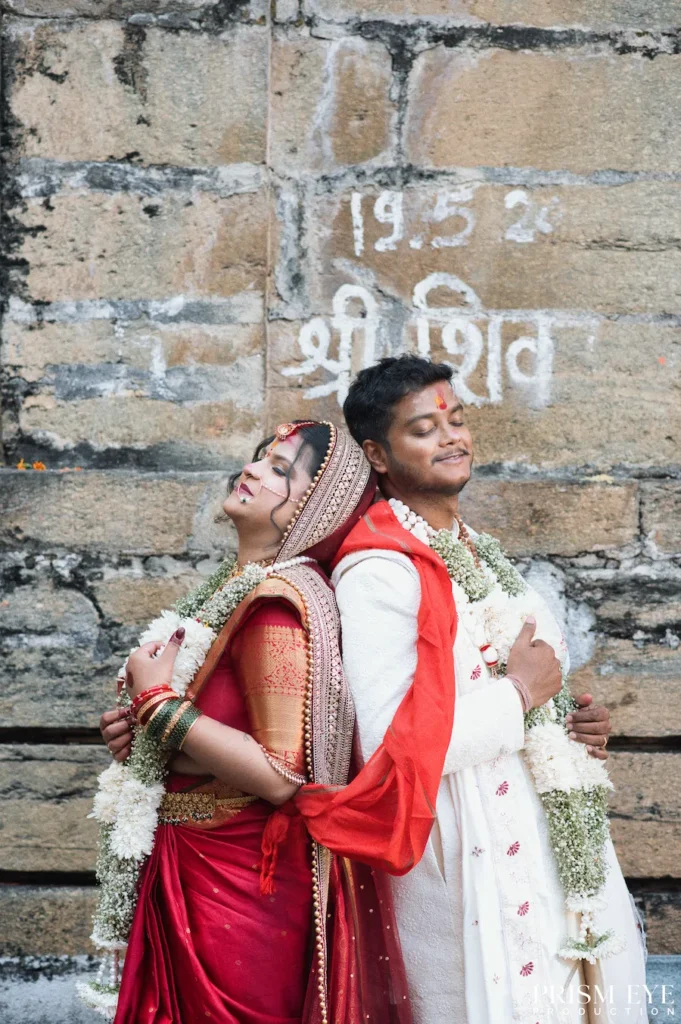

Mention early that your ceremony and reception are on separate days. Share both dates, both venues, rough start times and the kind of coverage you want. This lets the photography team check availability and quote correctly for both events.
Questions worth asking:
- Are you available on both dates?
- How many hours of coverage are included for each day?
- Is there an extra charge if the reception is in a different city?
- Who covers travel and stay for the team, if needed?
- What happens if an event runs past the booked hours?
- Will the same team shoot both days?
- What will we receive for each day: edited photos, a film, an album?
Photographer’s tip: Put both dates, venue addresses, timelines and your must-have shots on one page. It becomes the single reference everyone uses during the wedding rush.
4. Same team for both days, or two teams?
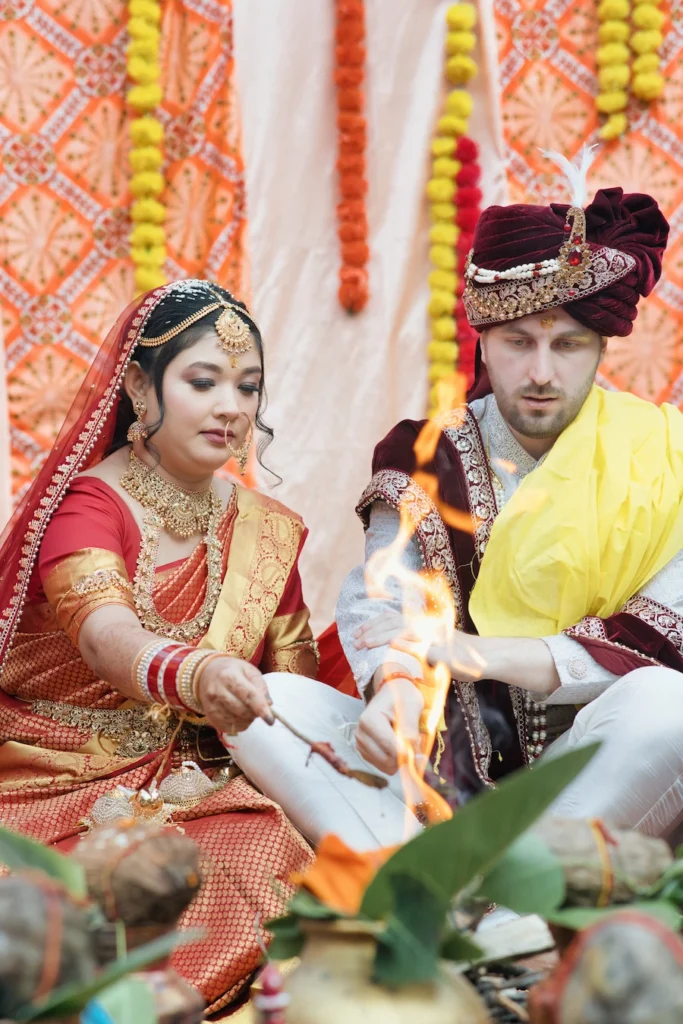
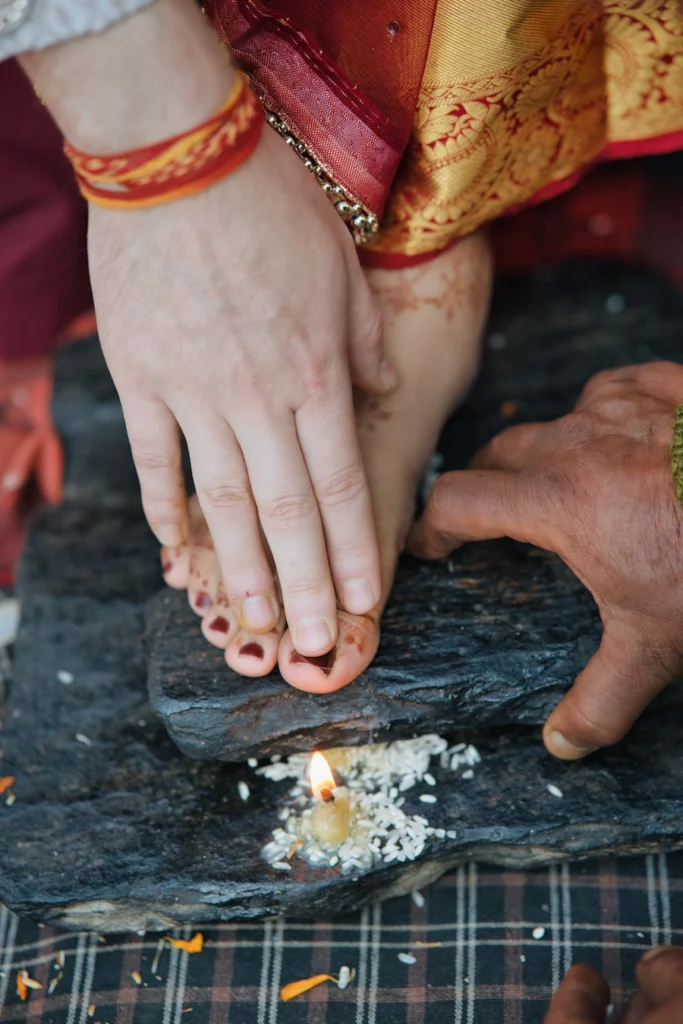
This is one of the first decisions to make, and it affects how your photos look years later.
| Same team both days | Two different teams | |
|---|---|---|
| Look and editing | Consistent colours and style across both events | Two styles that may not match in one album |
| Knowing your family | Team already knows who is who on day two | New team has to learn faces again |
| Planning | One point of contact, one schedule | Two contacts, two sets of instructions |
| Cost | Usually one package covering both days | Can work out cheaper, but risks gaps and overlap |
For most couples, booking the same team is the safer choice. It also makes the final delivery simpler.
One album or two? Ask this before you book. Some couples prefer one combined album and film that tells the full story. Others want the reception as a separate highlight film to share with friends. Either works, as long as it is agreed in advance.
5. Plan family photos across both days

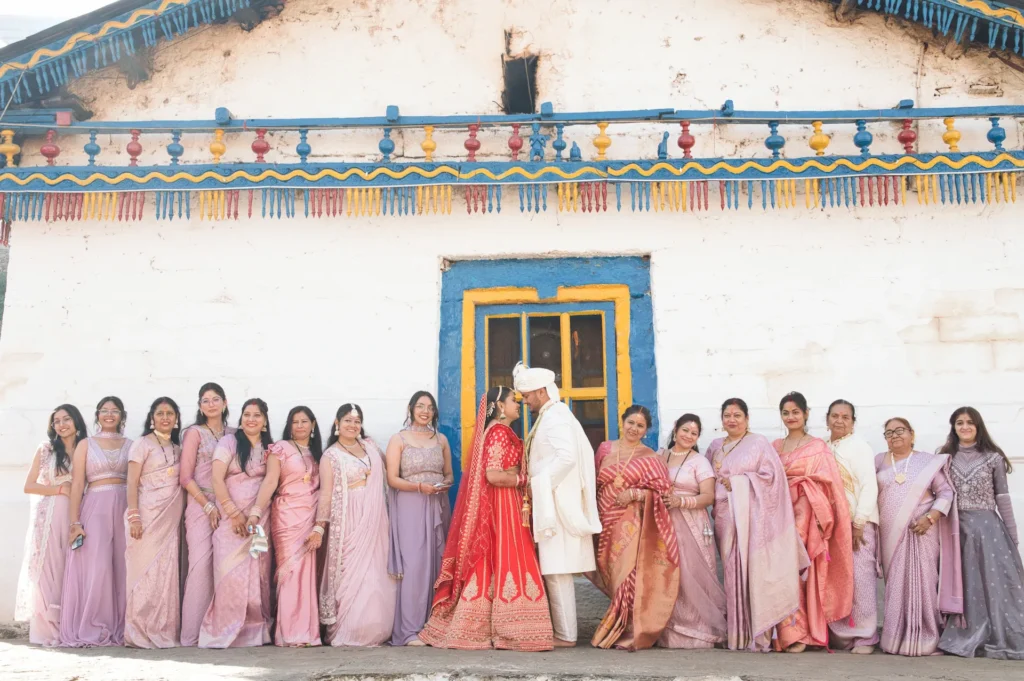
Family photos matter a lot in Indian weddings, and a two-day wedding makes them trickier. Some relatives attend only the ceremony, while others come only for the reception. Without a plan, you may realise later that you never got a photo with a favourite aunt or an old family friend.
Make one list of the family groups you want, then split it by day:
- Wedding day: parents, grandparents, siblings and close family in traditional outfits
- Reception day: extended family, relatives who missed the ceremony, friends and colleagues
Ask one cousin or friend who knows both sides of the family to gather each group when it is their turn. It saves a lot of time on both days.
Photographer’s tip: Photograph grandparents and elders first on each day, so they do not have to wait or stand for long.
6. Use the reception day for relaxed couple portraits


On the wedding day, couple portraits often get squeezed between rituals. A separate reception day gives you a second, calmer chance.
The reception usually comes with a new look: a different outfit, hairstyle and makeup. Book a 30 to 45 minute portrait slot before the guests arrive. You are fresh, the venue is ready, and there is no ritual waiting for you.
Light will also be different on each day. A daytime ceremony works with natural light, while an evening reception relies on stage and venue lighting. Tell your photographer which look you prefer, so they can plan locations and equipment.
Photographer’s tip: If couple portraits are a priority, give them a fixed time slot on both days rather than hoping for a free moment. That moment rarely comes.
7. Plan for different venues or cities

A two-day wedding often means two venues. The ceremony might be at a temple, a family home or a resort, while the reception is at a hotel or banquet hall. Sometimes the reception is in a different city altogether.
Share the details of each venue with your photographer in advance:
- Photos or a video of the space
- Possible portrait spots
- Any rules on where photography or drones are allowed
- Stage position and lighting
If the reception is in another city, confirm travel, stay and timings for the team well before the date.
For weddings in Uttarakhand: Many couples hold the ceremony in Dehradun, Mussoorie or Rishikesh and the reception in Delhi or their hometown. Hill roads take longer than maps suggest, and weather can change quickly in the mountains. Keep a travel buffer and an indoor backup spot for portraits.
8. Decide on photo and video coverage for each day
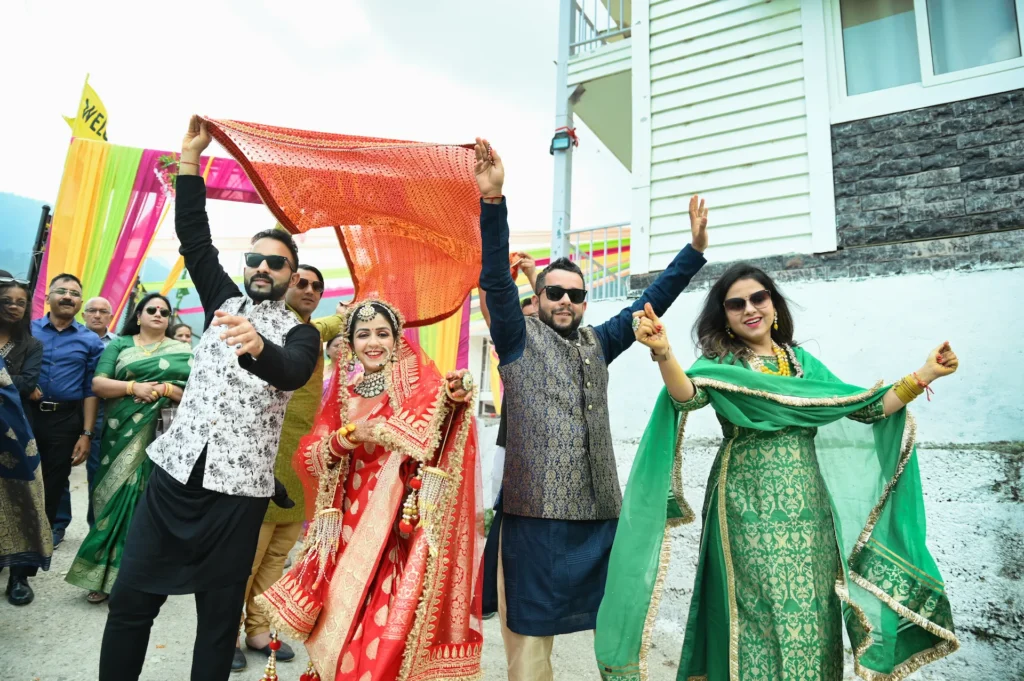
Photos and video capture different things. Photos freeze expressions, details and portraits. Video captures movement, sound, music and the feel of the room.
You do not need the same coverage on both days. Some couples choose full photo and video for the wedding rituals, and a shorter highlight film for the reception. Others want the full reception filmed because that is where the speeches and dances happen.
Decide what matters most on each day, then confirm the hours and deliverables for both before you book.
Photographer’s tip: Prioritise moments that cannot be repeated, such as the pheras, the vidaai and blessings from elders. A reception entry can be redone; a ritual cannot.
9. Keep outfits and details ready for each day


Two events mean two sets of outfits, jewellery and accessories, and twice the chance of forgetting something.
Pack each day’s items in a separate labelled bag or box: outfit, shoes, jewellery, dupatta, safa or sehra, and anything you want photographed. Keep the invitation card, rings and family heirlooms in one place so detail shots take minutes, not half an hour.
If your reception look is very different from your wedding look, share it with your photographer beforehand. They can choose backdrops and lighting that suit the colours.
Photographer’s tip: Tell your photographer about any sentimental items, such as your grandmother’s jewellery, so they make sure to include them.
10. Confirm everything a few days before


Plans change. Guest numbers shift, a venue updates its timing, or the pandit suggests a different muhurat. Three to four days before the wedding, confirm with your photographer:
- Final timings for both days
- Venue addresses and access details
- Your family photo list for each day
- Any change in photo or video coverage
- One emergency contact person from the family
- Travel plans, if the events are in different places
Share one updated schedule with your photographer, planner and key family members. Avoid sending different versions over separate messages.
Common mistakes to avoid
- Assuming the photographer already knows the event timings
- Forgetting to confirm availability for the second date
- Leaving family photos for the last few minutes of the night
- Planning couple portraits without thinking about the light
- Underestimating travel time between venues or cities
- Not checking what the package includes for each day
- Changing key timings without telling the photography team
Frequently asked questions
Should we book the same photographer for the wedding and the reception?
In most cases, yes. The same team gives you a consistent editing style, already knows your family by day two, and makes planning simpler. Two teams can work, but the photos may not match well in one album.
Do we need a separate photography schedule for each day?
Yes. The ceremony and reception usually have different start times, venues, lighting and guests. A separate timeline for each day helps your photographer plan portraits, family photos and key moments properly.
Does it cost more if the reception is on another day?
Usually, yes, because the team is booked for an extra day. Costs also depend on the hours of coverage, the number of photographers, and travel if the reception is in another city. Ask for a clear quote that lists each day separately.
When should we take couple portraits if the wedding day is busy?
Plan a short slot before the ceremony or between rituals, if the muhurat allows. Then book a longer, relaxed session before guests arrive on the reception day.
Will we get one album or two?
That depends on your package. Many couples choose one combined album and film, while some prefer a separate reception highlight. Confirm this before you book.
How early should we finalise the photography schedule?
Share the main dates and venues when you book. Fine-tune the timings in the last few weeks, and do a final check three to four days before the wedding.
Final thoughts
Having your wedding ceremony and reception on different days gives you two chances to capture your story, as long as both are planned properly. Give each day a clear purpose, build a separate timeline, split your family photo list, and keep your photographer informed at every step.
The plan should support your celebrations, not run them. With it in place, you can enjoy both days while every important moment is captured.
Getting married in Dehradun, Mussoorie, Rishikesh or anywhere in Uttarakhand? Call or WhatsApp Prism Eye Productions to check your dates and plan coverage for both your wedding and reception.